
Easy homemade pasta recipe from Inspired Taste's chefs
Inspired Taste's homemade pasta recipe is perfect for home cooks of all levels, even beginners. Chefs Joanne and Alex Gallagher use fresh egg pasta dough for spaghetti, fettuccine, pappardelle, capellini and even lasagna sheets.
NEWYou can now listen to Fox News articles!
A viral social media hack claims that yesterday's pasta may be easier on your blood sugar than a fresh bowl — and experts say there's some science behind it.
The trick is similar to claims that freezing and toasting bread can help curb blood sugar spikes, with both ideas suggesting that heating and cooling starchy foods can slow digestion.
Celebrity chef Giada De Laurentiis highlighted the trend in an Instagram video not long ago, sharing with her followers the "hot tip" that eating pasta the next day may be easier on the gut.
IS EATING BREAD THAT'S BEEN FROZEN FIRST AND THEN TOASTED BETTER FOR YOU?
"Leftover pasta for the win," De Laurentiis said in her video.
The trend is backed by research, experts told Fox News Digital.
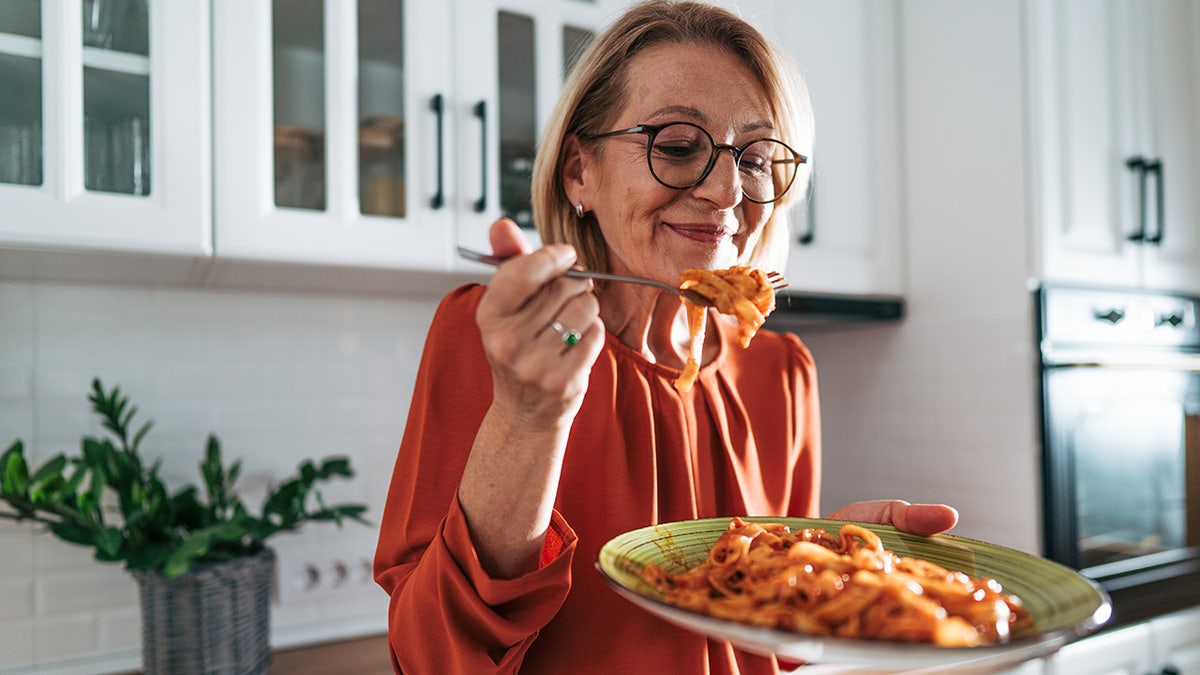
Leftover pasta may lead to a smaller blood sugar rise than freshly cooked noodles, experts say. (iStock)
"When you cook pasta, let it cool and then reheat it in the microwave, some of the digestible starches turn into what's called resistant starch," said Ashley Kitchens, a North Carolina–based plant-based dietitian.
"Resistant starch is what it sounds like — it resists digestion. Because of that, less sugar or glucose is going into your bloodstream."
TOP AMERICAN PASTA BRANDS READY TO TAKE OVER AMID TARIFFS ON IMPORTED PRODUCTS
Resistant starch acts like fiber in a way, Kitchens added, feeding beneficial gut bacteria rather than being quickly broken down into sugar.
Resistant starch forms through a process called retrogradation, nutrition experts say. When pasta is cooked, its starches gelatinize and become easy to digest. After chilling in the refrigerator — ideally for 24 hours or more — some of those starches reorganize into a structure that the body cannot fully break down.
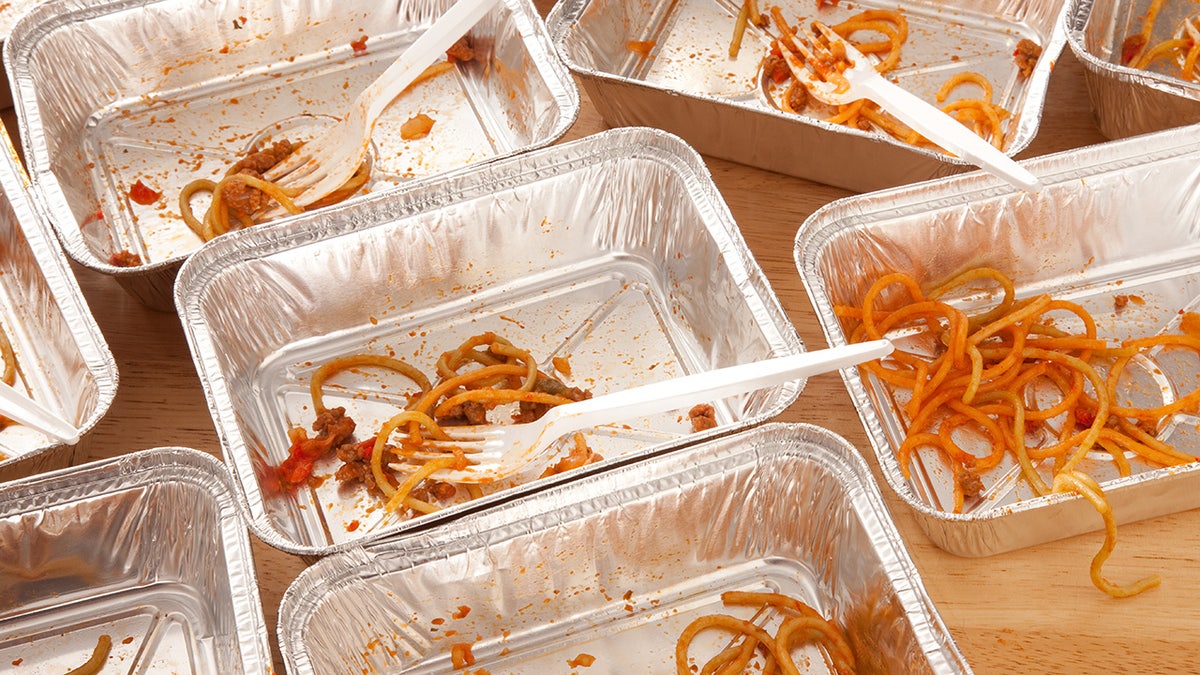
Refrigerating pasta for up to 24 hours may change how the body processes the carbs, experts say. (iStock)
As a result, refrigerated and reheated pasta delivers fewer digestible calories and leads to a smaller rise in blood sugar after meals, according to nutrition experts at The Ohio State University Wexner Medical Center.
Resistant starch contains roughly half the calories per gram of regular starch and passes into the colon, where it feeds beneficial gut bacteria, according to a 2024 article from the medical center.
CLICK HERE TO SIGN UP FOR OUR LIFESTYLE NEWSLETTER
Studies suggest the effect is real but depends on the person, especially people with diabetes.
Research from the University of Surrey in England also shows lower blood sugar and insulin responses after eating pasta that's been cooked, cooled and reheated compared to freshly cooked pasta, especially when prepared al dente.
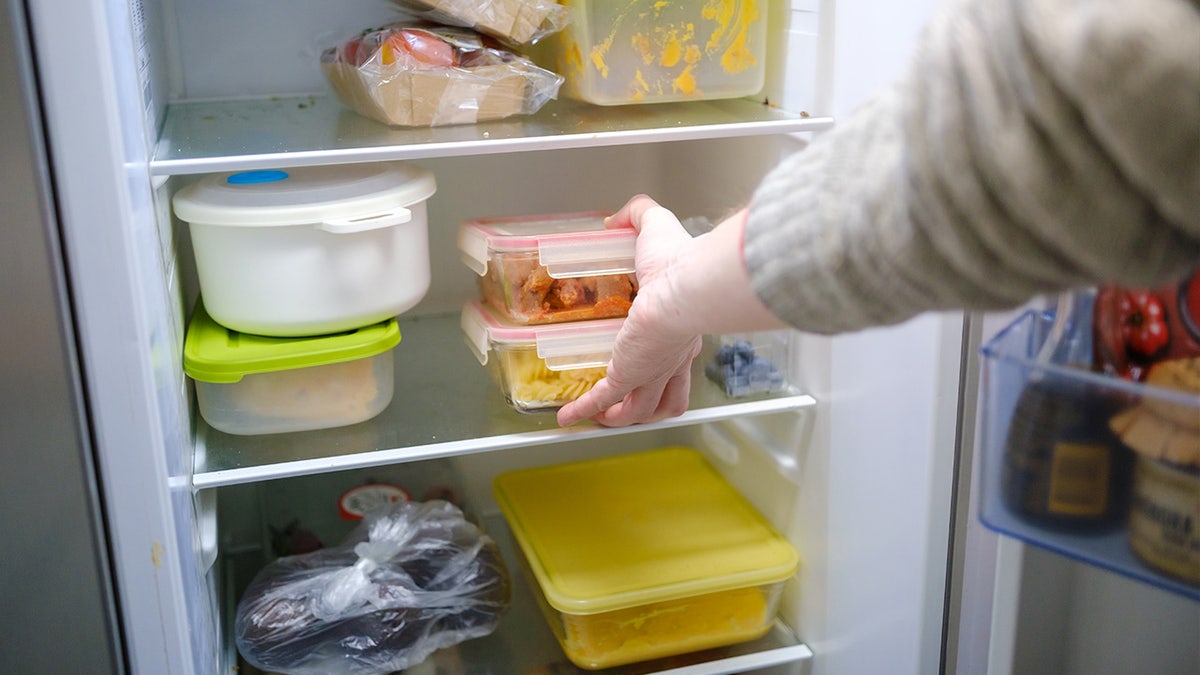
The pasta trend is similar to how freezing and toasting bread may reduce blood sugar spikes. (iStock)
"It’s not a guaranteed 'hack' and the effect varies," agreed Lauri Wright, an associate professor at the University of South Florida College of Public Health.
CLICK HERE FOR MORE LIFESTYLE STORIES
"It can modestly blunt or shift the glucose rise, but it does not make pasta 'free' from a blood sugar standpoint," Wright told Fox News Digital.

Experts say reheated pasta may affect blood sugar response, particularly for people managing diabetes. (iStock)
The approach may be helpful for people who are managing their blood sugar, including those with diabetes, but as a "tool, not as a cure-all," she said.
For people with diabetes, resistant starch may help soften blood sugar spikes, but it can also change how quickly glucose enters the bloodstream, which may affect insulin timing, Wright noted.
CLICK HERE TO DOWNLOAD THE FOX NEWS APP
Portion size still matters, experts stress.
"Only a portion of the starch becomes resistant," Kitchens noted. "If you're eating large portions of pasta, the trick may not be that beneficial."

Experts recommend cooking pasta al dente and chilling it before reheating to boost resistant starch. (iStock)
Experts agree that reheating pasta can offer a small metabolic advantage, but balanced meals, fiber intake and portion control remain most important.
To test it out, nutritionists recommend cooking pasta al dente — not too soft — refrigerating it in a shallow container for 12 to 24 hours, then reheating it thoroughly before eating.
TEST YOURSELF WITH OUR LATEST LIFESTYLE QUIZ
Rice and potatoes may show an even stronger resistant starch effect, while bread can undergo similar changes, depending on type and processing.
Deirdre Bardolf is a lifestyle writer with Fox News Digital.