NEWYou can now listen to Fox News articles!
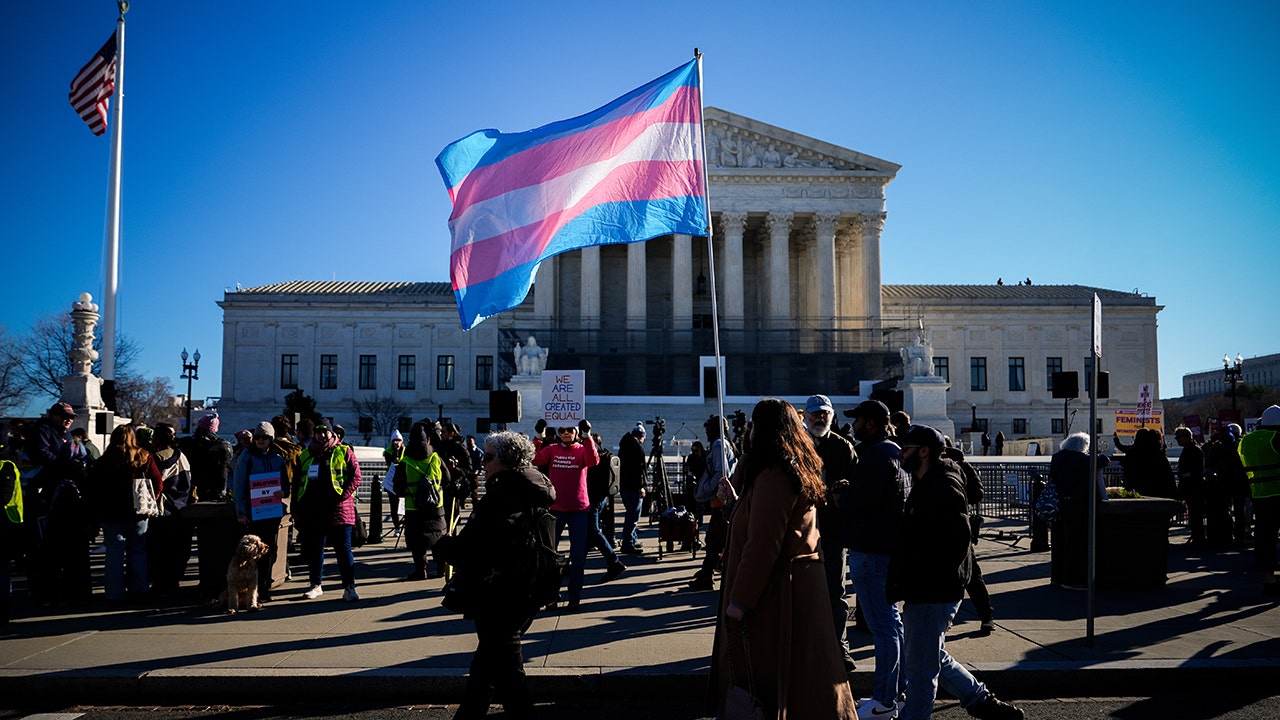
The Supreme Court will hear oral arguments Tuesday in two cases that could determine whether states can ban transgender athletes who identify as women from competing on girls’ and women’s sports teams, a legal fight that could have far-reaching implications on transgender policies across the country.
The arguments in the two cases, Little v. Hecox and West Virginia v. B.P.J., will examine state bans on transgender athletes participating in school sports under Title IX and the Constitution’s equal protection clause.
At issue is whether laws in Idaho and West Virginia that prohibit transgender athletes who identify as women from playing on teams that match their gender identity discriminate based on sex.
JUSTICE URGES ‘STAND UP FOR OUR GIRLS’ AS SUPREME COURT WEIGHS FATE OF HIS 'SAVE WOMEN’S SPORTS ACT'
Lower courts struck down the bans as unconstitutional violations of Title IX and equal protection, and the two Republican-led states appealed to the Supreme Court.
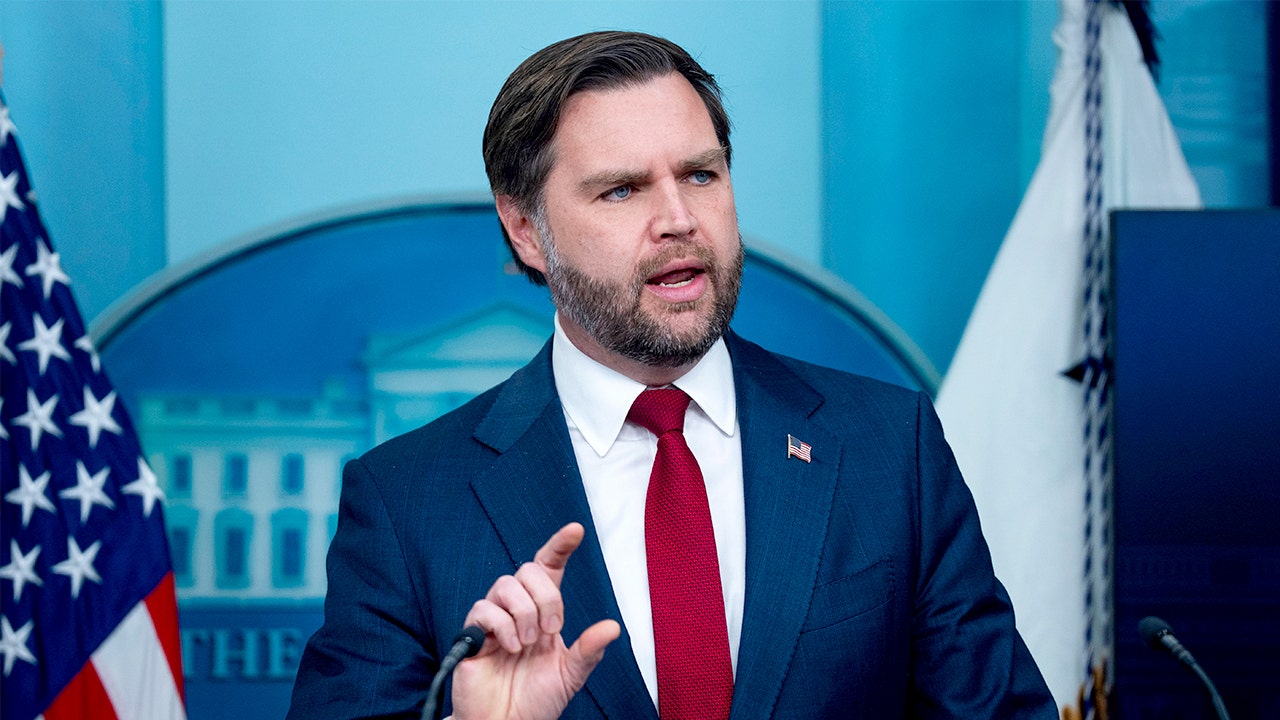
"It’s about Title IX. It‘s about equal protection, and it’s also about common sense, but mostly it’s about protecting women in both academia and on the athletic field," West Virginia Attorney General JB McCuskey told Fox News Digital in a phone interview.
The justices will hear each of the cases Tuesday morning beginning at 10 a.m.
The high court has set aside an hour for each case, but arguments are expected to run longer as the states, the plaintiffs represented by the American Civil Liberties Union, and the Trump administration each present their positions and answer the justices’ questions.
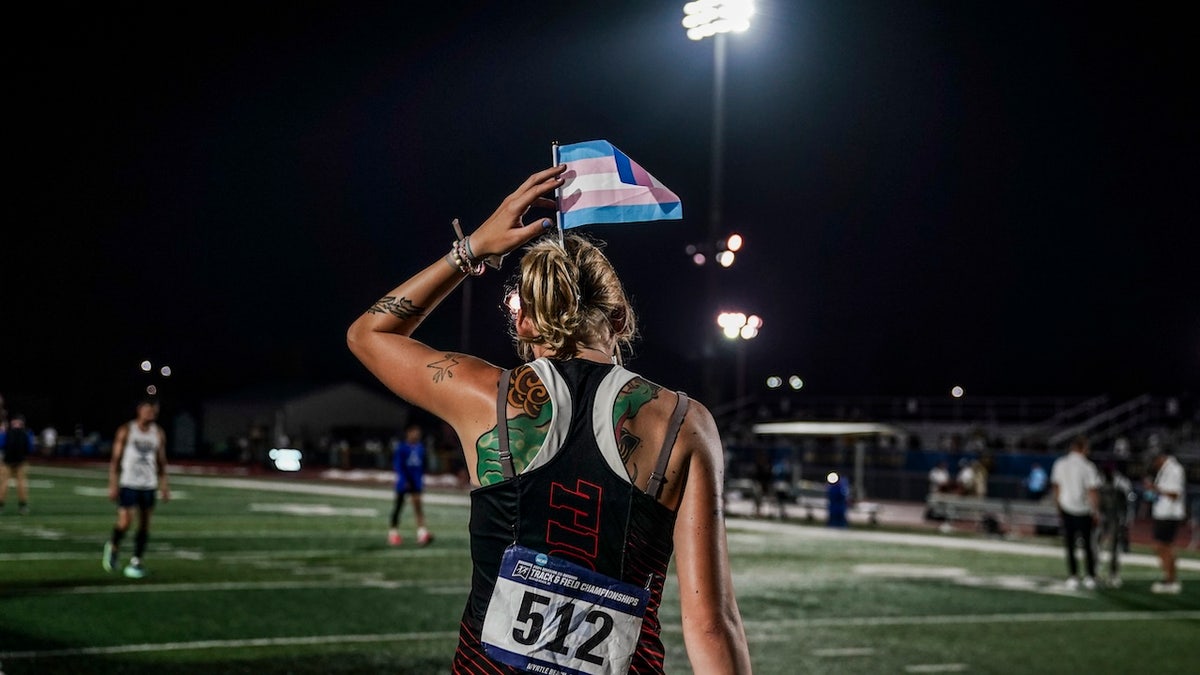
Sadie Schreiner, who identifies as a transgender woman, puts a transgender flag in her hair before heading to the awards stand after finishing 3rd in the finals of the 200m race at the 2024 NCAA DIII outdoor track and field championships at Doug Shaw Memorial Stadium on May 25, 2024, in Myrtle Beach, S.C. (Jahi Chikwendiu/The Washington Post via Getty Images)
In Little v. Hecox, Lindsay Hecox, a biological man who sought to compete on the women’s track and cross-country teams at Boise State University, contended that Idaho’s law, the Fairness in Women’s Sports Act, violated the equal protection clause by categorically excluding transgender women.
West Virginia v. B.P.J. centers on a 15-year-old transgender athlete who identifies as a girl, and who argued the state’s ban violated both Title IX’s ban on sex discrimination in federally funded education programs and the Constitution.
Lawyers for the states defending the bans maintain that separating sports based on biological sex preserves fairness and safety for female athletes and is consistent with Title IX’s definition of sex.
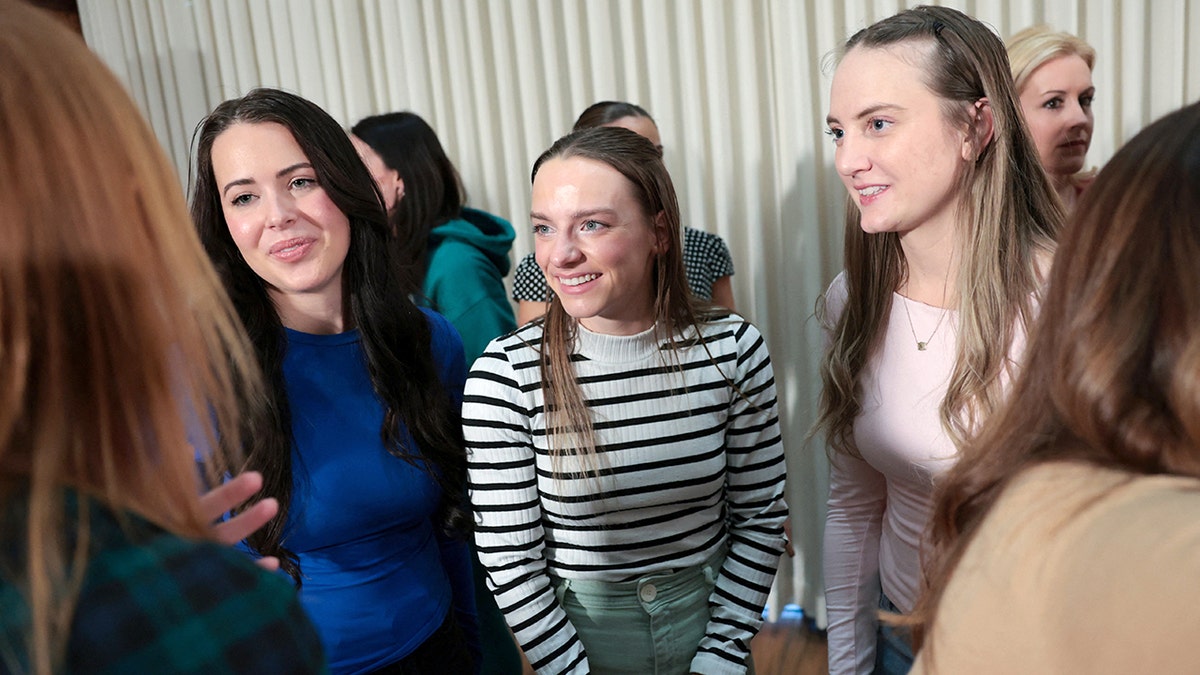
College athletes and U.S. Supreme Court case parties Lainey Armistead, Madison Kenyon and Mary Kate Marshall speak with attendees after a press conference ahead of the court hearing arguments on the legality of state laws banning transgender athletes from female sports teams at public schools, at the National Press Club in Washington, D.C., Jan. 12, 2026. (REUTERS/Jonathan Ernst)
The Trump administration is supporting the states in the cases, asserting that Title IX and equal protection permit sex-based distinctions in athletics and criticizing lower courts for undermining states' authority. The solicitor general’s office will be able to present the administration’s case on behalf of the U.S. during Tuesday’s arguments.
The debate has garnered enormous attention, as evidenced by the dozens of amicus briefs submitted to the court by athletes, coaches, lawmakers and state attorneys general. The Washington Post editorial board came out against the trans athletes in an op-ed this past weekend, saying the Supreme Court has the chance to correct "one of the worst excesses of America’s cultural revolution."
WASHINGTON POST URGES SUPREME COURT TO 'SAVE WOMEN’S SPORTS' AHEAD OF MAJOR TRANS ATHLETE CASE
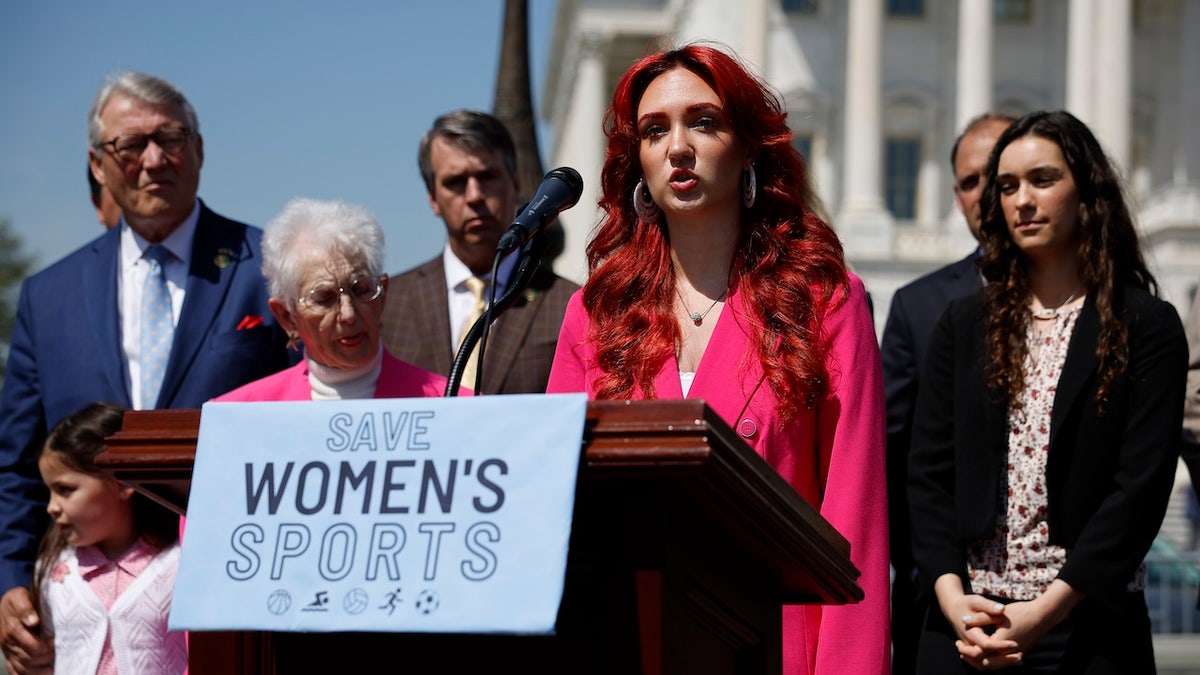
Track and field athlete Selina Soule speaks during an event celebrating the House of Representatives passing the Protection Of Women And Girls In Sports Act outside the U.S. Capitol on April 20, 2023, in Washington, D.C. (Chip Somodevilla/Getty Images)
Observers say a ruling in favor of the challengers could limit state power to adopt similar bans and broaden interpretations of federal nondiscrimination protections, while a decision for the states could uphold the bans and influence other transgender policy disputes, such as bathroom policies and sex designation on documents, such as passports and driver's licenses.
"Ideally, in my mind, what would happen is that all 50 states in the federal government pass a similar law to the Save Women’s Sports Act and women’s playing fields will be exclusive to biological women," McCuskey said.
The transgender athletes in both cases are represented by the ACLU, which argues that the challenged laws unlawfully discriminate against people who identify as women by excluding them from women’s and girls’ sports.
"Categorically excluding kids from school sports just because they are transgender will only make our schools less safe and more hurtful places for all youth," ACLU attorneys said in a statement.
CLICK HERE TO GET THE FOX NEWS APP
Transgender rights advocates say the red-leaning states and the Trump administration have singled out transgender students and spent exorbitant resources to target what they say are a negligible number of transgender athletes. McCuskey said that argument did not account for women and girls.
"You make the argument that B.P.J. is being discriminated against, but that belies the argument that all 300 of the other girls that B.P.J. beat in an athletic competition aren’t victims," he said.
The Supreme Court is expected to decide the case by early summer.
Ashley Oliver is a reporter for Fox News Digital and FOX Business, covering the Justice Department and legal affairs. Email story tips to [email protected].