NEWYou can now listen to Fox News articles!
Future doctors at some medical schools are learning more than anatomy, pathology and pharmacology these days. They're learning to cook healthy foods patients will actually want to eat.
The training is part of a growing field called culinary medicine, which blends cooking skills with nutrition education. It's gaining momentum at medical schools nationwide, The New York Times recently reported, with schools like Tufts University launching courses in 2025.
In many programs, that means stepping into a kitchen and learning to prepare meals firsthand, not just studying nutrition from a distance.
"It's combining the culinary arts with evidence-based medicine and educational techniques to teach nutrition in a way that young doctors and other health care professionals can use in counseling and talking to patients," Dr. Ron Quinton, medical director of Tulane University’s Goldring Center for Culinary Medicine in New Orleans, told Fox News Digital.
Rising rates of diet-related diseases, including diabetes, obesity and heart disease, are fueling demand for more nutrition-focused care, experts say.
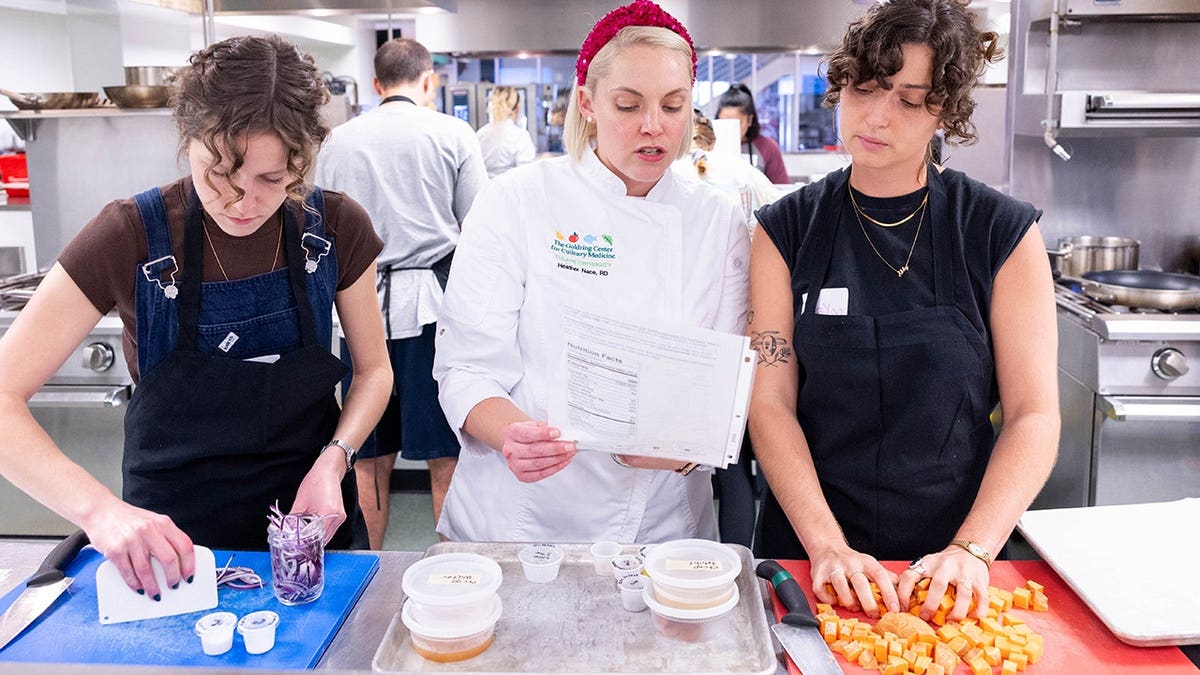
Tulane University’s Goldring Center for Culinary Medicine, founded in 2012, introduced one of the nation’s first teaching kitchens. (Tulane University)
"Most people are eating the standard American diet, which is high in saturated fat, high in sugar, high in salt," Quinton added. "There are at least 13 obesity-related cancers that are directly diet-related," he noted.
FOODS THAT AMERICANS WERE TOLD TO AVOID FOR DECADES ARE BACK UNDER TRUMP'S NEW NUTRITION RULES
At Tulane’s School of Medicine, students work through mock patient cases before heading into the Goldring Center's teaching kitchen — one of the nation’s first, established in 2012 — to prepare healthy, flavorful and affordable meals.
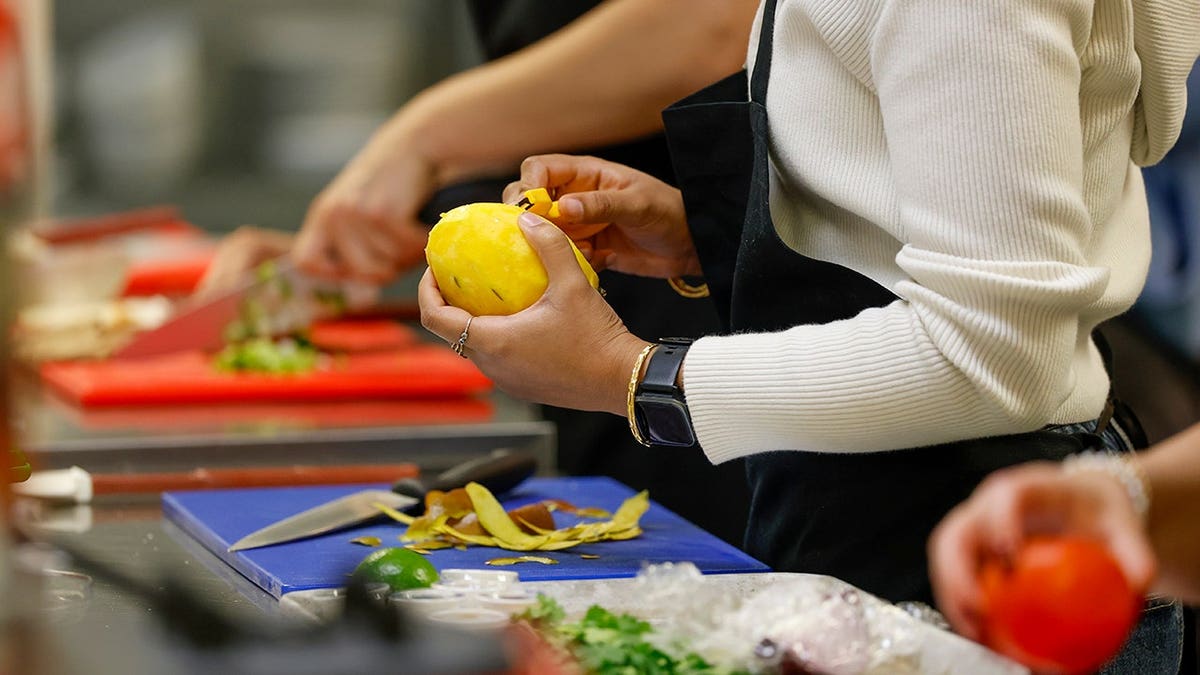
Culinary medicine students learn practical cooking techniques — from efficient meal prep to ingredient organization — that they can pass to patients. (Tyler Kaufman/Tulane University)
"We don’t want to make bland food," Quinton said.
They also don't want patients thinking they must overhaul their diets overnight, he said.
PEOPLE LOST WEIGHT WHILE EATING SIGNIFICANTLY MORE FOOD — HERE'S THE SECRET
"Our first goal is to add things to their diet," he said. "We’re not trying to take things away."
One of the first cooking lessons Tulane students get, meanwhile, is about a familiar favorite: tacos. Quinton said the program adds more vegetables than traditional versions and uses homemade, low-sodium seasoning.
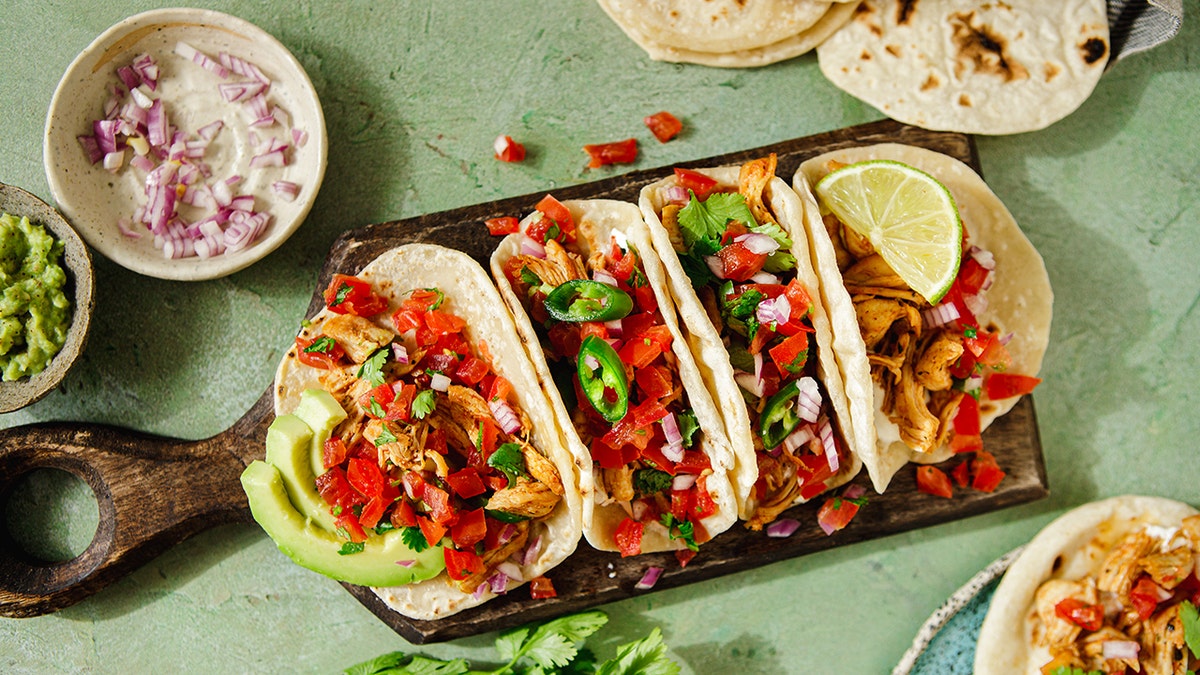
Tacos prepared at the Tulane program feature more vegetables than traditional versions of tacos — and use homemade, low-sodium seasoning. (iStock)
"A big part of our teaching is substituting things for what we consider bad for you — the sugar, the salt — and putting spices and other things in so the food tastes just as good," Quinton said.
CLICK HERE TO SIGN UP FOR OUR LIFESTYLE NEWSLETTER
Jordan Lo, a fourth-year Tulane medical student planning to pursue neurosurgery, said the teaching kitchen has given him tools he already uses when talking with patients during clinical rotations.
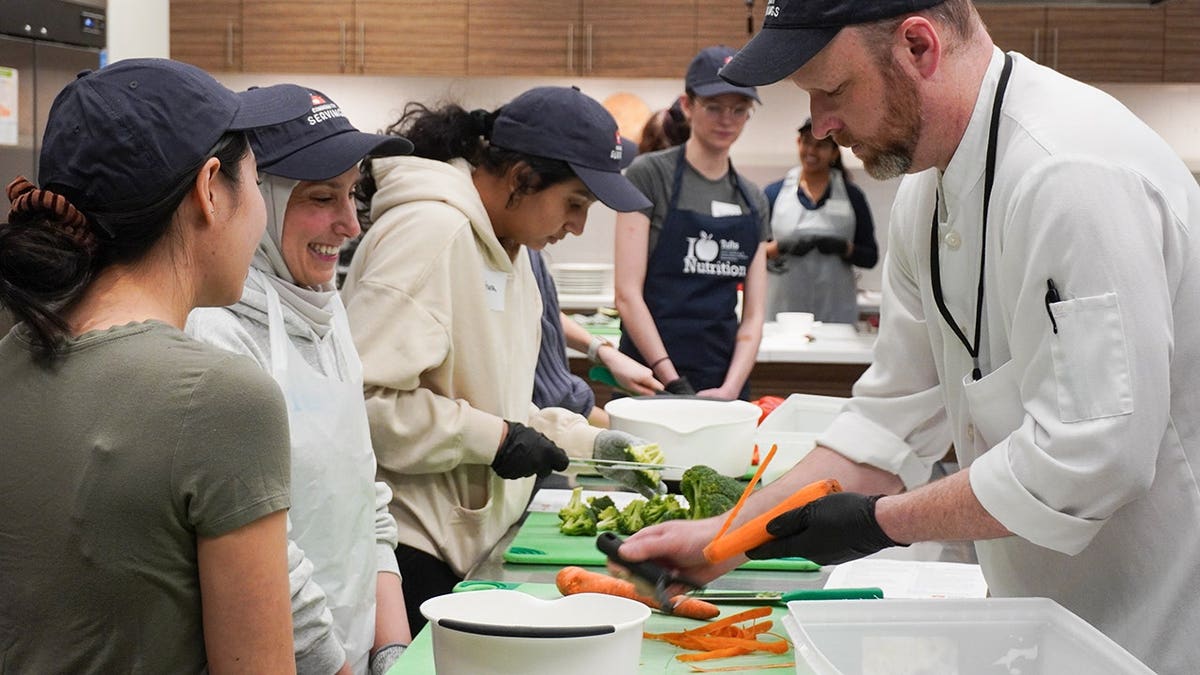
Tufts University launched a culinary medicine course in 2025. (Community Servings)
"Patients ask me, 'How can I eat healthier? Where can I go to get better recipes?'" Lo said.
Understanding nutrition can benefit doctors in any specialty, particularly in preventing conditions such as stroke linked to diet, he said. "Knowing about food and culinary medicine and how it affects your patients just overall makes you a better doctor."
CLICK HERE FOR MORE LIFESTYLE STORIES
He said the hands-on classes show students how to make healthier meals feel doable at home.
Students learn simple tips — like prepping ingredients and using small bowls to stay organized — that they can pass on to patients.
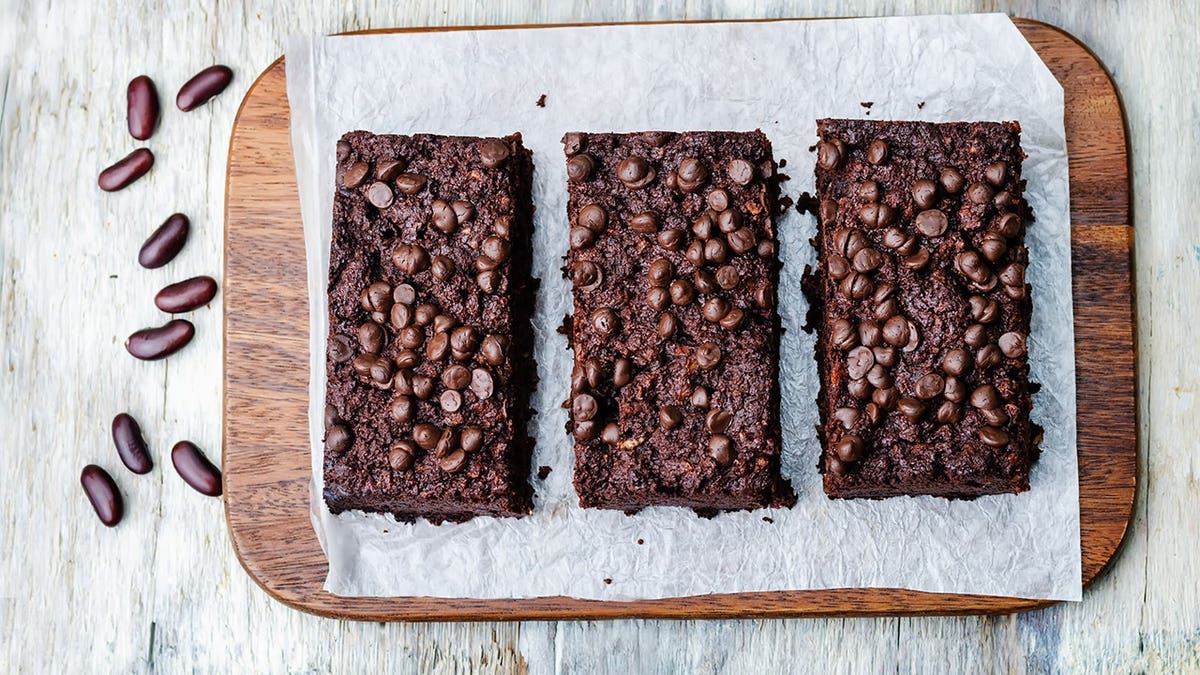
Even desserts are reimagined in culinary medicine programs, with bean brownies offering more fiber and less fat. (iStock)
The kitchen lessons also challenge assumptions about what "healthy" food looks like.
Lo said one surprising recipe was a dark chocolate mousse made mostly with avocado. Quinton pointed to black and white bean brownies as desserts that deliver more fiber with less fat than traditional versions, adding that they're favorites of his grandkids.
More than 60 medical, nursing and residency programs now use versions of Tulane’s curriculum, with newer programs emerging at schools like Tufts University as part of a broader "food is medicine" movement.
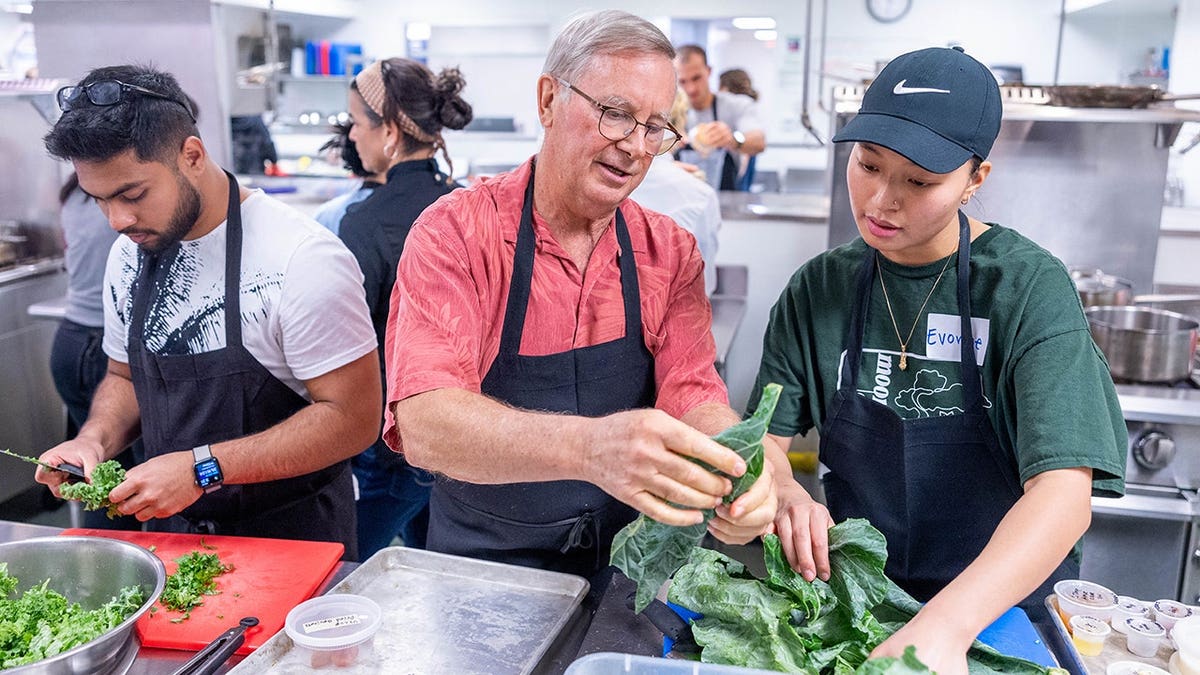
Dr. Ron Quinton (center), medical director of Tulane University’s Goldring Center for Culinary Medicine, is a former cardiovascular surgeon who now teaches students about nutrition and disease prevention. (Tulane University)
Tuft's launched a course in 2025 that brings together medical, dental and nutrition students to learn in partnership with Community Servings, a nonprofit that provides medically tailored meals to people with serious and chronic illnesses.
TEST YOURSELF WITH OUR LATEST LIFESTYLE QUIZ
Eliza Leone, a registered dietitian nutritionist and instructor in the program, said the training focuses on turning nutrition advice into practical guidance for patients.
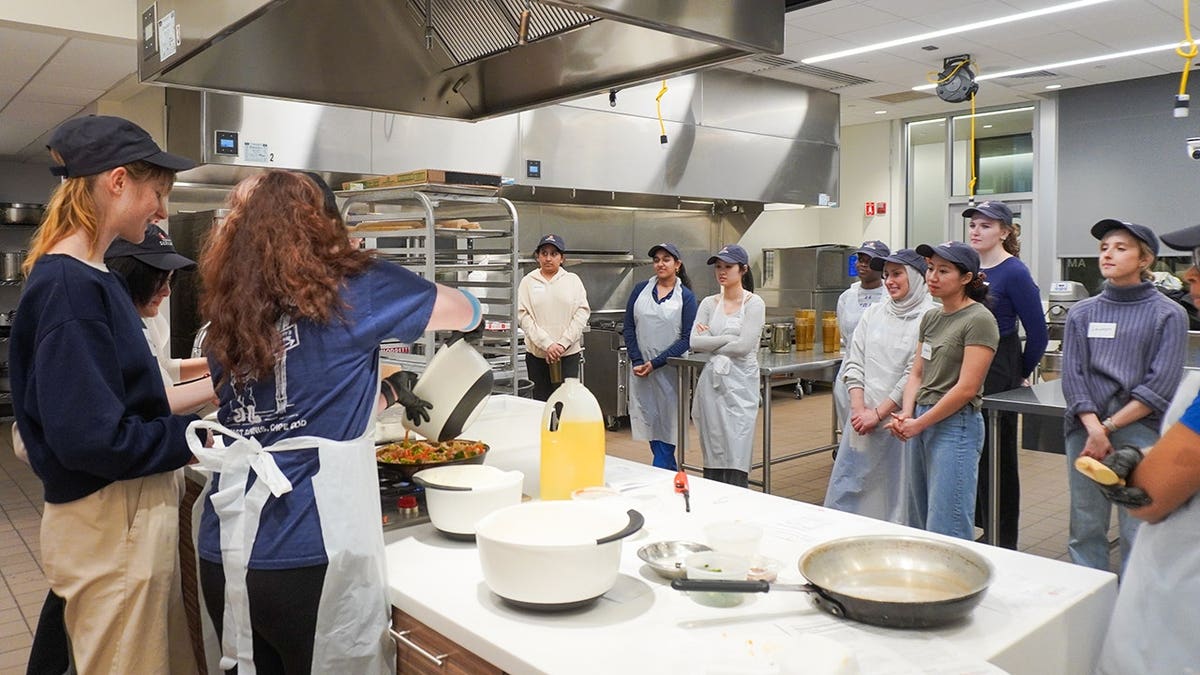
Medical students are learning hands-on cooking skills as part of the growing field of culinary medicine. (Community Servings)
"What's more meaningful than telling your patient, 'You should eat more calcium,' is saying, 'Here are a few recipes that incorporate calcium,'" she told Fox News Digital.
CLICK HERE TO DOWNLOAD THE FOX NEWS APP
Research shows doctors are more likely to encourage healthy eating habits when they practice those behaviors themselves, Leone noted.
"You can't have nutrition without food, so you have to know how to make food that tastes good and also meets your nutritional needs," she said.
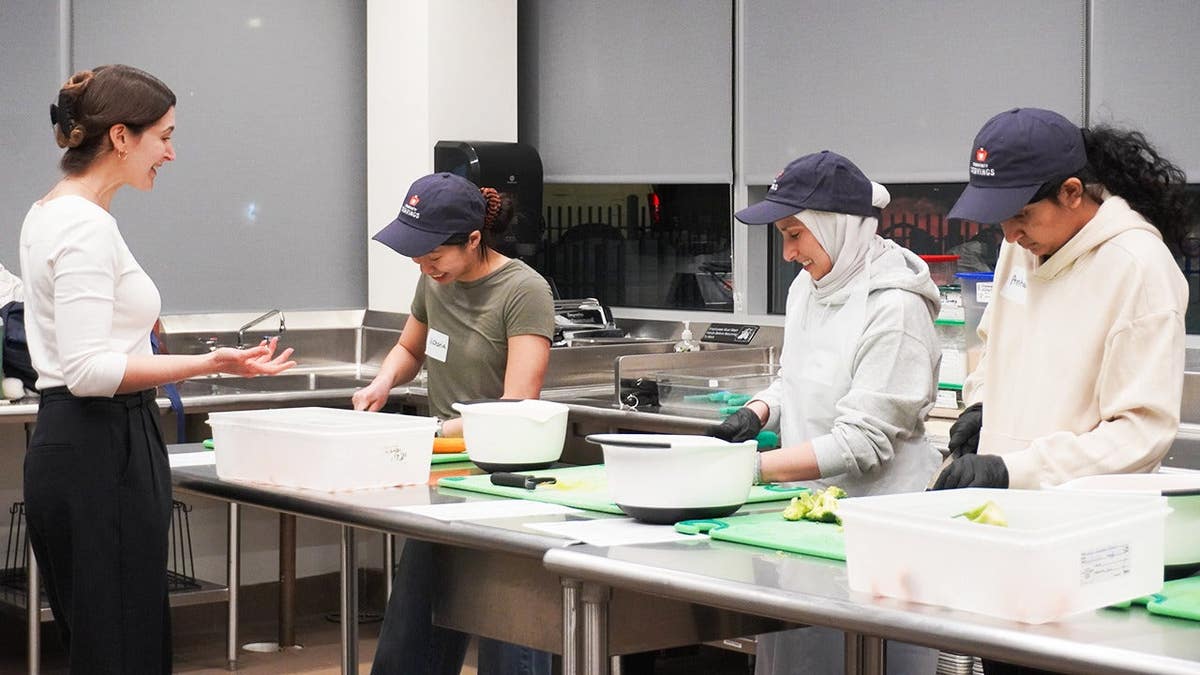
Eliza Leone, a registered dietitian nutritionist, leads culinary medicine classes for Tufts University students in partnership with Community Servings. (Community Servings)
Interest in culinary medicine is growing, Leone said, as more students seek hands-on nutrition training and schools respond by expanding programs.
Quinton agreed the trend is here to stay, as more doctors shift toward preventing disease rather than reacting to it.
Deirdre Bardolf is a lifestyle writer with Fox News Digital.