NEWYou can now listen to Fox News articles!
You have just seen the most audacious air combat search-and-rescue mission in American history. No other mission compares to the operation to bring home the F-15E crew known as ‘Dude 44.’
U.S. military helicopters have been picking up downed pilots under fire since the Korean War. In Vietnam, pilots were plucked from the tall grass and karst ridges and jungles under enemy fire. U.S. Air Force rescuers saved 1,201 aircrew from the Air Force alone, and a total of 2,780 U.S. service members in combat situations.
Over Iran, the sheer number of planes and people involved and exposed to danger dwarfs any other single rescue in the annals of air warfare. For nearly 48 hours, beginning at 4:40 a.m. local time on April 2, over 155 aircraft and hundreds of military personnel put their lives on the line for a mission 200 miles inside Iran. And everyone came back alive. That’s air dominance.
DR MARC SIEGEL: BLEEDING, ALONE AND HUNTED -- A DOWNED COLONEL’S MIRACLE SURVIVAL
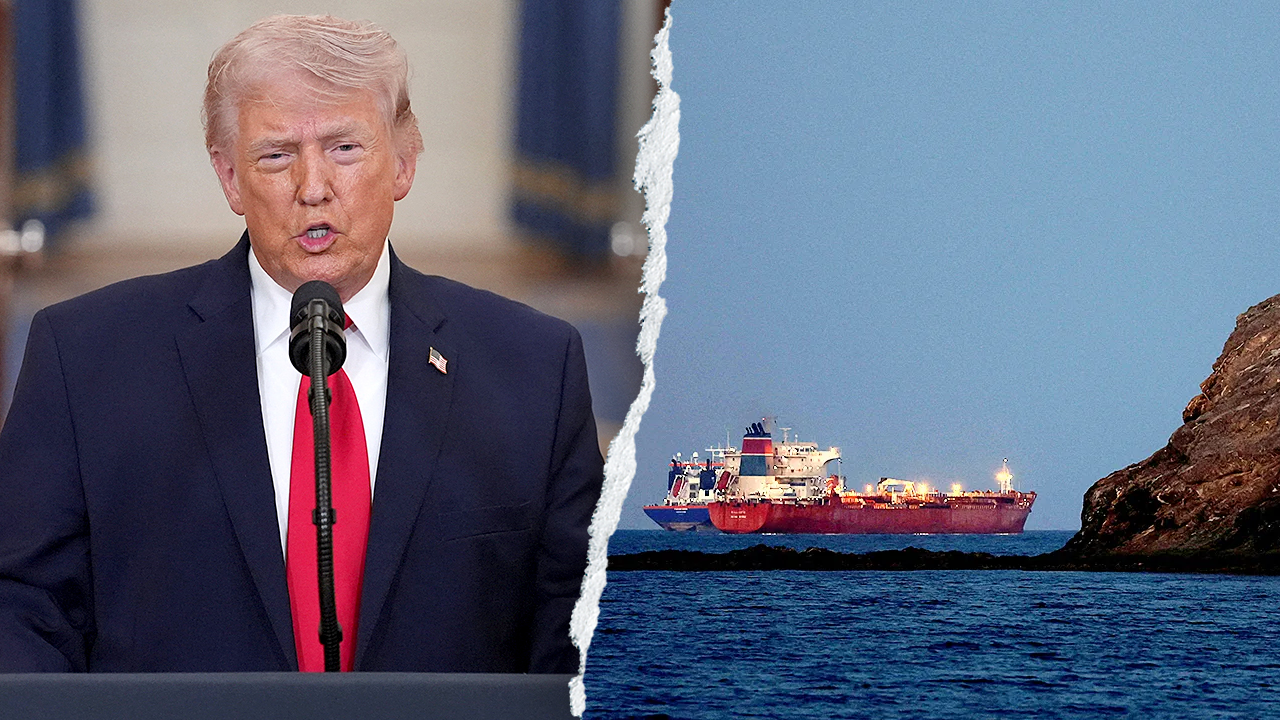
"This rescue captured the world’s imagination," President Donald Trump said at the Pentagon on Monday. The astonishing technology of a U.S. Air Force F-15E Strike Eagle is remote, and almost superhuman in its sophistication. But from the moment Americans learned that two aviators were down in Iran, our hearts pounded. We felt, at the most basic human level, their struggle to survive, evade, hide and hope.
"They always knew we would be coming to get them," Chairman of the Joint Chiefs of Staff Gen. Dan Caine said.
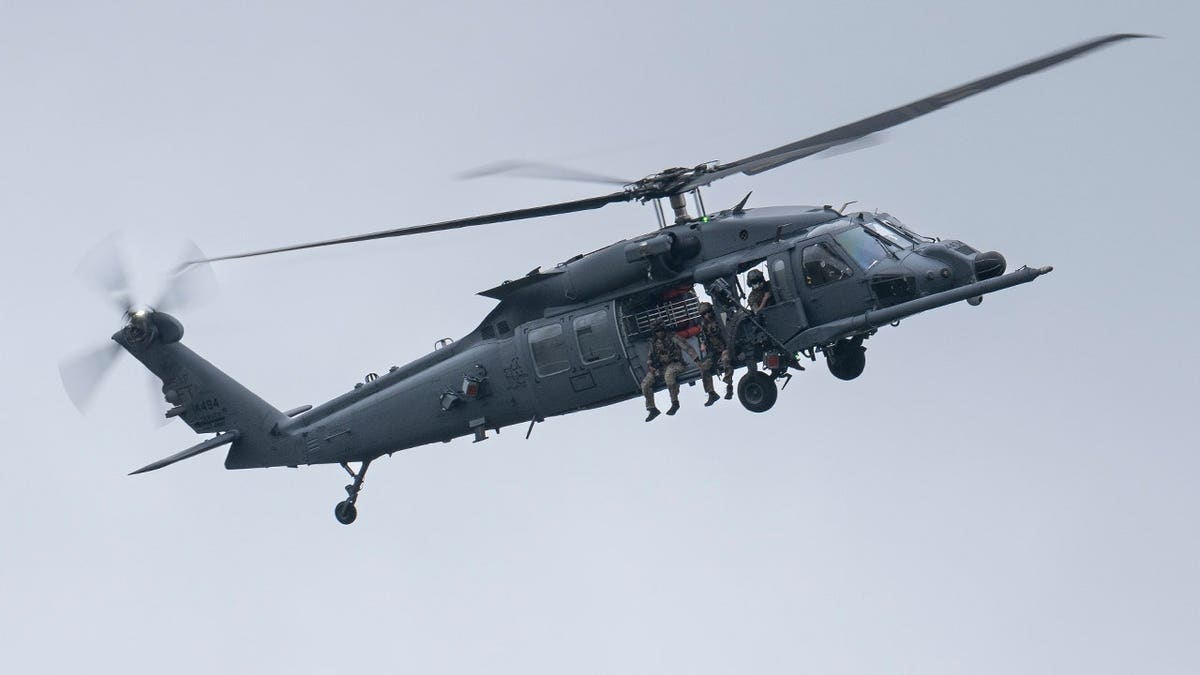
HH-60W Jolly Green II helicopters were involved in rescue efforts for the downed airman in Iran. (U.S. Air Force photo by Airman 1st Class Deanna Muir)
Call sign ‘Dude 44’
With Operation Epic Fury in week five, "Dude 44" was part of the push to eliminate the remainder of Iran’s military power. All combat missions are given a random call sign used just for that sortie; it’s for radio calls to homebase, command and control, the tanker, etc. "Dude" is one of the more popular, but sometimes you get a call sign like "Poptart."
CENTCOM COMMANDER DIRECTED STRIKE AGAINST AN IRGC HEADQUARTERS IN UNDERGROUND FACILITY: SOURCES
"Dude 44" was a night mission. The F-15E is the workhorse of Operation Epic Fury. It carries the biggest bomb payload of any U.S. fighter. F-15E crews often have hundreds of combat hours racked up over Syria, Iraq, Afghanistan and now Iran. The two officers of "Dude 44" likely had double-digit missions over Iran to their credit.
Hundreds of military personnel put their lives on the line for a mission 200 miles inside Iran. And everyone came back alive. That’s air dominance.
They were about to face the worst-case scenario. This F-15E was 200 miles inside Iran when something – a shoulder-fired infrared missile locking on to their engine heat, or anti-aircraft fire – hit them.
The pilot
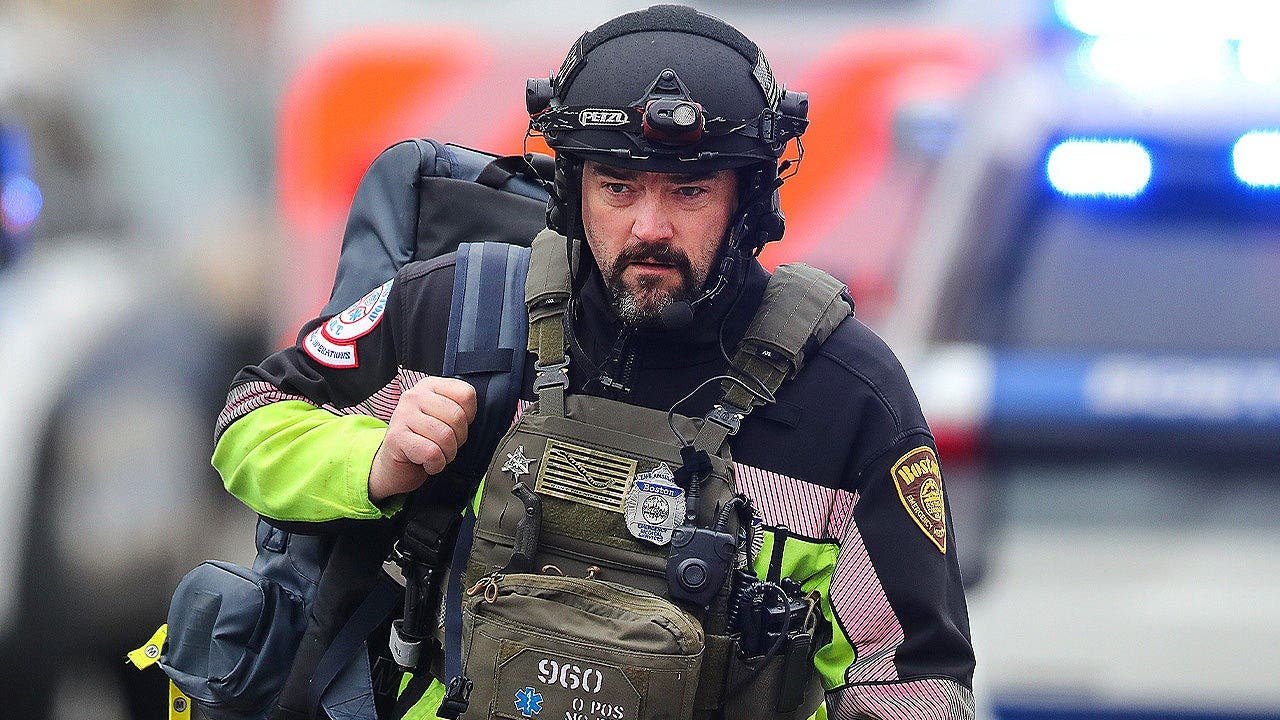
At 4:40 a.m. local Iran time, the first rescue began. While joint forces knew both airmen had survived, it was only the pilot they located at first. Rescuers prized a quick daybreak mission that can achieve surprise. What they got was seven hours inside Iranian airspace. The Air Force HH-60W Jolly Green IIs are purpose-built for rescue. They have radars, self-defense chaff and flares, the most sophisticated Link 16 datalinks to other planes, and of course, 7.62mm and .50-caliber guns.
RESCUE EXPERT SAYS MOST DANGEROUS MOMENT COMES AFTER ‘JACKPOT’ CALL IN RECOVERY BEHIND ENEMY LINES
A U.S. Air Force A-10 Warthog fighter loitered and maintained radio communication with the pilot on the ground, to coordinate an exact pick-up spot. A-10s and other aircraft kept up surveillance and shot at anything moving toward the pilot. The Iranians shot back; Caine called it a close-in gunfight and "an incredibly dangerous mission." The lead A-10 call sign "Sandy," designator for special training in search and rescue, took so much fire that the pilot ultimately had to exit Iran’s airspace and bail out.
All this time, a fleet of 155 aircraft set up seven different deception areas to fool the Islamic Revolutionary Guard Corps (IRGC). B-1 bombers, F-22s, F-35s, F-16s, more F-15s and A-10s created the appearance of multiple search and rescue operations. Above them, 48 tankers, many over Iranian skies, supplied air refueling. Count the participants: hundreds of airmen, special forces and other members of the joint force. This preponderance of airpower faked out the IRGC forces.
The back-seater
Anxious hours passed, yet Central Command dared not launch the second rescue mission because searchers could not pinpoint the F-15E weapons systems officer or "back-seater."
CLICK HERE FOR MORE FOX NEWS OPINION
During a rescue, it’s possible to have radio contact or indications of life – but not to know exactly where the airman is. Down in unfamiliar mountains, wounded and bleeding, the airman can only describe what he sees. Devices like infrared strobes can signal to watching aircraft. But Iran’s forces were closing in, making concealment imperative.
From the moment Americans learned that two aviators were down in Iran, our hearts pounded. We felt, at the most basic human level, their struggle to survive, evade, hide and hope.
Fortunately, as CIA Director John Ratcliffe described it, the back-seater was "invisible to the enemy but not to the CIA." Careful sweep monitoring at a range of about 40 miles, as described by Trump, yielded the first clue of slight movement. Then the back-seater stood up in his mountain crevice – and that was enough. "We have him," Trump recounted. (Even Trump cautiously chose his words when talking about this highly classified capability; suffice it to say, our side has been working on the ability to detect and characterize slight motion in terrain for quite some time.)
CLICK HERE TO DOWNLOAD THE FOX NEWS APP
Trump’s decision to greenlight the back-seater rescue was high stakes. Two powerful, specially modified HC-130Js landed and disgorged three MH-6 "Little Bird" helicopters. Small but heavily armed, the three helicopters were unpacked in less than 10 minutes, according to Trump. The team retrieved the back-seater from the mountain. To no one’s surprise, while the HC-130Js landed, they could not taxi fast enough to reach take-off speed in the wet sand and dirt. Trump described how "other aircraft" came to lift out all personnel.
Finally, American fighters strafed and destroyed the HC-130Js to keep secrets out of the hands of Iran – and their cronies in Russia and China. As Caine said, "People are more important than hardware." Still, you’ll be glad to know C-130Js are still made in Marietta, Georgia. And brand-new F-15EX Eagle II fighters for the Air Force are on the production line in St. Louis.
CLICK HERE TO READ MORE FROM REBECCA GRANT
Dr. Rebecca Grant is vice president of the Lexington Institute.