NEWYou can now listen to Fox News articles!
Archaeologists and students recently uncovered an 18th-century Catholic mission in Texas — a discovery that clarifies a key chapter in the early history of the Lone Star State.
Excavators from Texas Tech University (TTU) unearthed remains belonging to Mission Nuestra Señora del Espíritu Santo (Mission Our Lady of the Holy Spirit), an abandoned settlement in Jackson County.
With the help of students, excavators discovered proof of the missing site, which resolves "decades of searching" and "fill[s] a long-standing gap in the historical record of early Texas," the university said in a recent release.
HISTORY'S MOST FAMOUS TAPESTRY MAY HAVE BEEN VIEWED IN UNUSUAL SETTING, NEW RESEARCH SUGGESTS
Pictures show excavators and archaeologists-in-training smiling at the site, located in southeastern Texas.
Excavation leader Tamra Walter, an associate professor of archaeology at TTU, told Fox News Digital this week that her team found numerous artifacts during the dig.
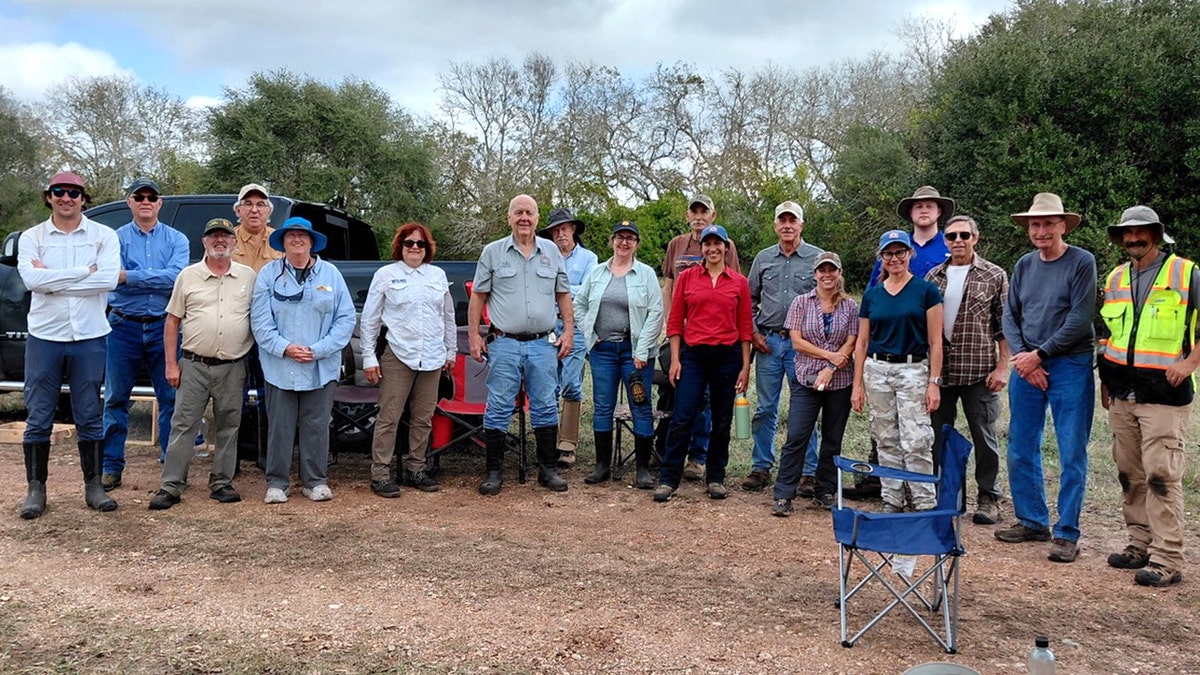
Researchers and students from Texas Tech University uncovered remains of an 18th-century Spanish Catholic mission. (Tamra Walter/Texas Tech University)
"We found lead shot and sprue, sourced to the mines in Boca de Leones in Nuevo Leon, Mexico, rose head nails — indicative of this time period — [and] parts of a copper kettle, including a handle," she noted.
Her team also found pottery, plus fired clay and daub from the mud huts of the time — as well as brass trade rings, a part of a pair of scissors and "a number of as-yet unidentified objects."
LONG-LOST ANCIENT VILLAGE WITH MYSTERIOUS PAST UNEARTHED AMID WIND FARM DIG: 'EXCITING DISCOVERY'
The mission was related to Presidio La Bahía, a Spanish fort, and Fort St. Louis, a colony established by French explorer René-Robert Cavelier, Sieur de La Salle.
La Salle's settlement, which failed, prompted Spain to reassert control over the region. The Spanish crown promptly launched expeditions, and Mission Espíritu Santo was part of Spain's effort to "pay serious attention to Texas for the first time," said Walter.
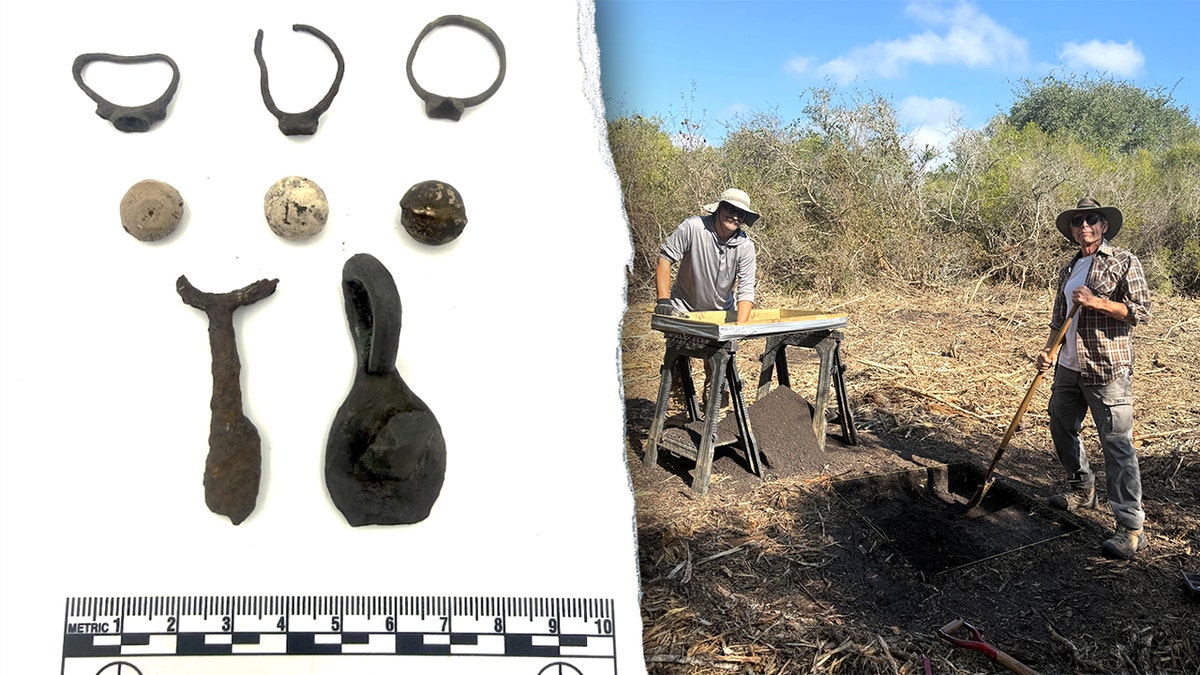
Artifacts recovered from the mission site include lead shot, rose head nails, pottery fragments and parts of a copper kettle. (Tamra Walter/Texas Tech University)
The religious settlement was only occupied from 1721 to 1725. The professor said that one of the main reasons for its early demise was difficulty in attracting Karankawa Native Americans to the mission.
"They relied heavily on the labor of Native converts, and without them, they didn’t have the manpower to establish and maintain crops and livestock to keep the operation going," she said.
CLICK HERE FOR MORE LIFESTYLE STORIES
"The local environment was also challenging. It was hot, the area was full of mosquitoes and there were alligators living in the nearby creek."
The weather combined with difficulty surviving in mud huts led the missionaries to move westward to Goliad, Texas, to set up a new site.
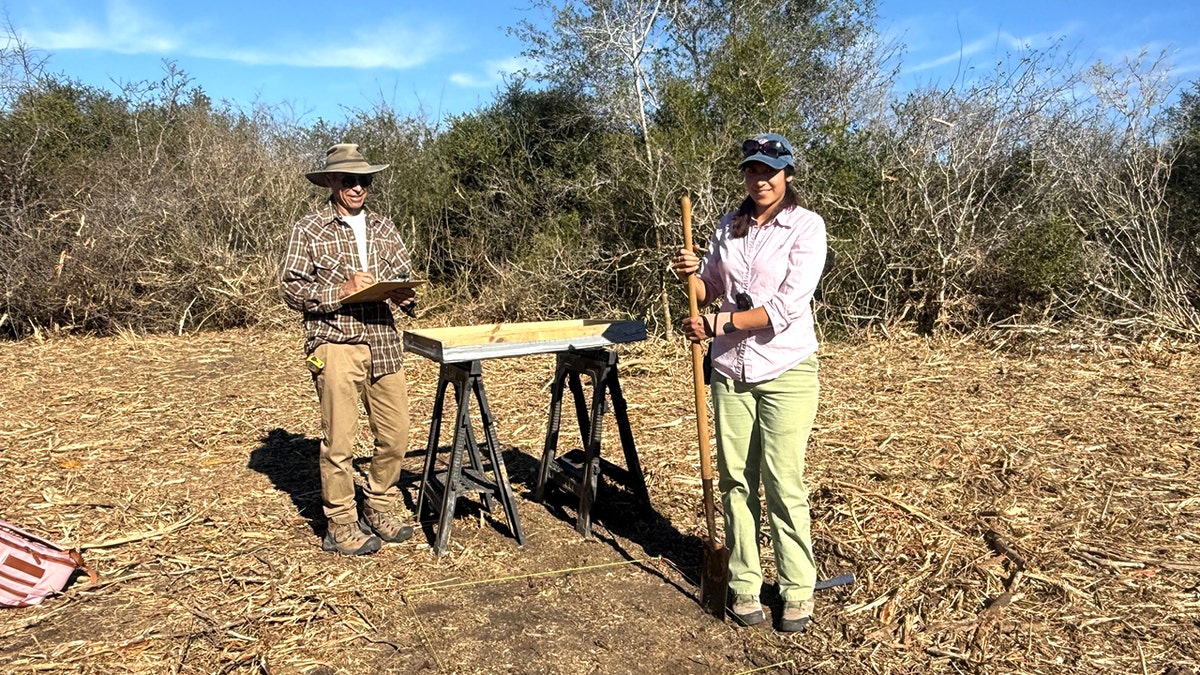
The discovery was made with the help of students, giving them hands-on experience with centuries-old artifacts. (Tamra Walter / Texas Tech University)
What makes the mission's remains so special is their rarity. Mission Espíritu Santo was "one of the earliest definitively located Spanish missions in Texas," Walter said.
CLICK HERE TO SIGN UP FOR OUR LIFESTYLE NEWSLETTER
She added that the excavation "helps to provide a rare, undisturbed snapshot of daily life on the Spanish frontier in the early 18th century."
TEST YOURSELF WITH OUR LATEST LIFESTYLE QUIZ
"Without La Salle’s colony, this mission and presidio likely would not have existed, and the events that unfolded here helped change the course of Texas history," she said.
Walter added that her students were "very excited" to be part of the search for the mission.
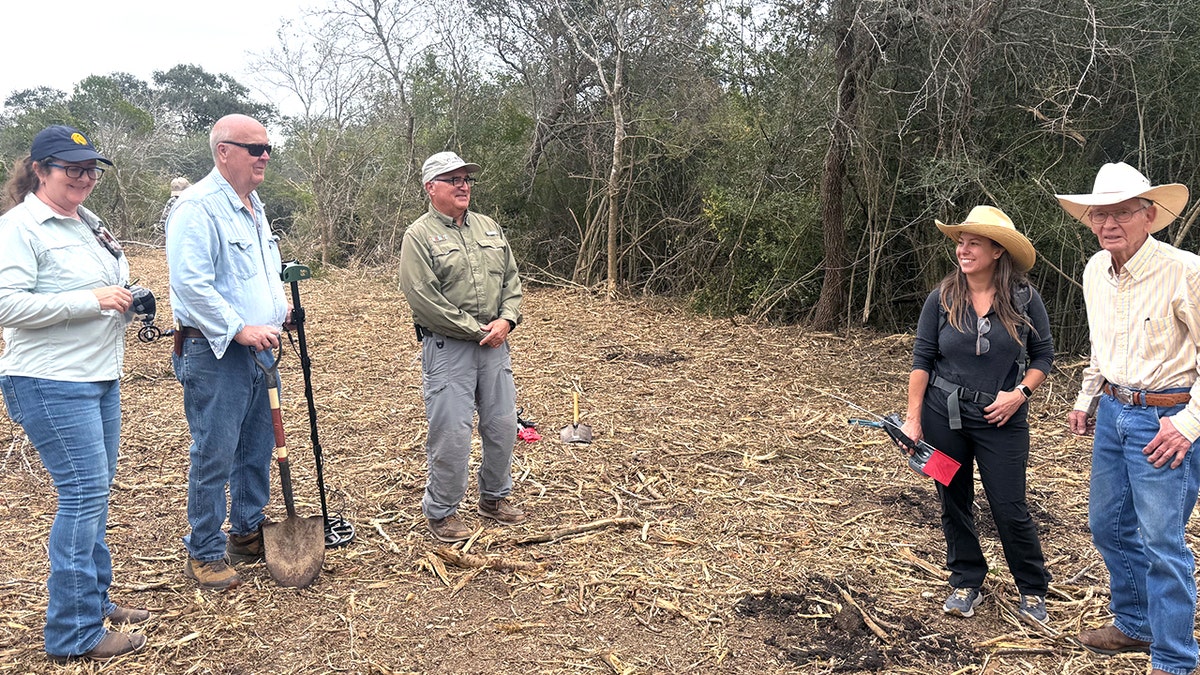
The excavation "helps to provide a rare, undisturbed snapshot of daily life on the Spanish frontier in the early 18th century," said the excavation leader. (Tamra Walter/Texas Tech University)
"They also had the opportunity to work with professional archaeologists from the Texas Historical Commission and even a team of researchers from New Mexico," she added.
CLICK HERE TO GET THE FOX NEWS APP
"I think it is also pretty exciting for them to touch the same artifacts used by the mission occupants more than 300 years ago."