NEWYou can now listen to Fox News articles!
Dublin, Ohio, gave a robot cop a trial run inside a public parking garage. Less than a year later, the machine was off the job and headed back to its maker.
DubBot, a Knightscope security robot used by the Dublin Police Department, was meant to help deter crime, support emergency response and give the city another way to monitor a busy public space. However, its patrols led to zero arrests, tickets or criminal cases.
Now the failed pilot raises a bigger question nationwide. Should local leaders have to prove these machines work before putting them on patrol?
AI TO MONITOR NYC SUBWAY SAFETY AS CRIME CONCERNS RISE
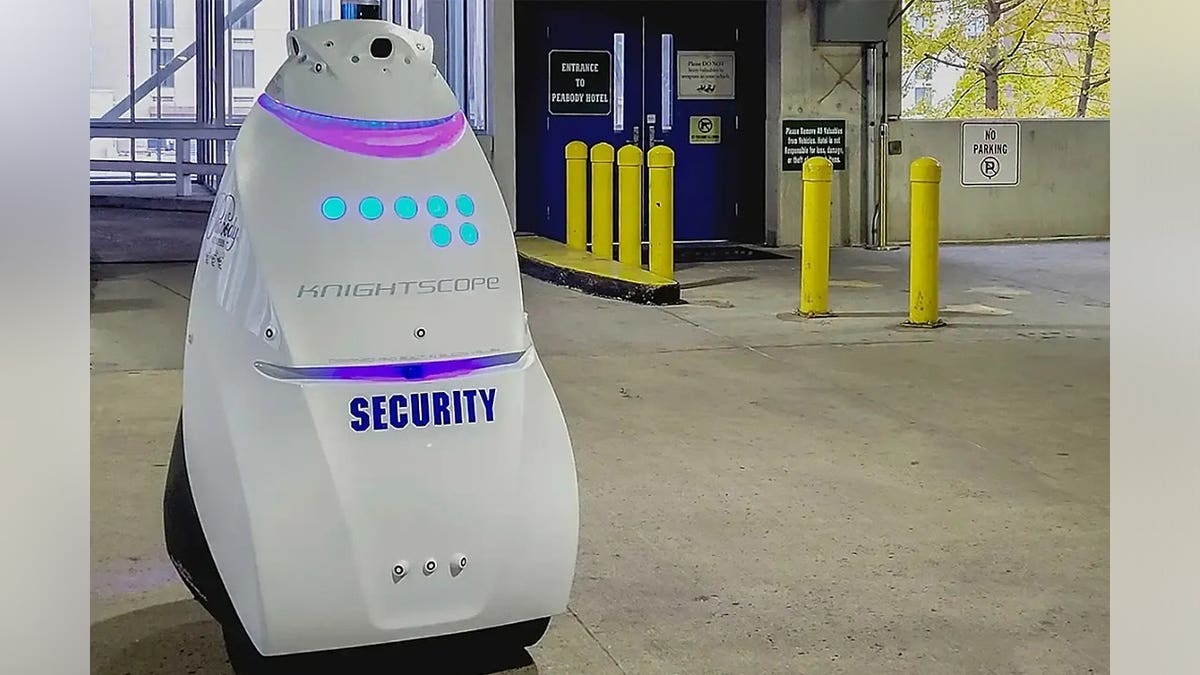
Dublin’s robot cop pilot ended after its patrols led to zero arrests, tickets or criminal cases. (Knightscope)
Sign up for my FREE CyberGuy Report
- Get my best tech tips, urgent security alerts and exclusive deals delivered straight to your inbox.
- For simple, real-world ways to spot scams early and stay protected, visit CyberGuy.com - trusted by millions who watch CyberGuy on TV daily.
- Plus, you'll get instant access to my Ultimate Scam Survival Guide free when you join.
Ohio robot cop ends its parking garage patrol
DubBot began patrolling the Rock Cress Parking Garage in July 2025. The robot was one of Knightscope's K5 Autonomous Security Robots, the tall white security machines built to move through public spaces and act as an extra set of eyes.
Dublin retired DubBot on May 12 after deciding the pilot no longer fit the city's operational needs. The robot has since gone back to Knightscope.
The city's public safety page now says the autonomous safety robot pilot has ended. It also notes that Dublin added other security measures at the Rock Cress garage, including entrance and exit gate arms and mirrors.
What the Ohio robot cop was supposed to do
DubBot was designed to support police operations, deter crime and give people another way to reach emergency help. The robot had 360-degree video cameras, two-way emergency communication and an emergency call button that could connect people with dispatchers.
In theory, that sounds useful. A robot moving through a parking garage could make people feel watched over. It could also give police a live look at an area without assigning an officer there full time.
WHEELED, RUGGED ROBOT DOG BUILT FOR EXTREME INDUSTRIAL MISSIONS
But let's be real here. A camera on wheels still has to solve a real problem. Parking garages have awkward corners, quick encounters and plenty of moments where something can happen fast. A robot moving at walking speed may create a visible presence. However, presence alone does not equal public safety results.
How much the Ohio robot cop cost
Dublin spent $128,080 in the first year of the agreement. The city expects a reimbursement from Knightscope of about $60,500, bringing the final cost down to $67,548.
The original plan was larger. Dublin had planned to pay $238,440 for two robots over two years. However, the second robot never rolled out. It was supposed to serve Riverside Crossing Park, but development needs and infrastructure limits kept it from going into service.
SMART STREET SENSORS COULD BE WATCHING YOUR CITY NEXT
That leaves one robot, one parking garage and a pilot that ended with no arrests, no criminal cases and no tickets.
The city also collected no other performance metrics because the pilot was meant to test the robot before any expansion.
That part should make taxpayers pause. When a city tests an expensive public safety tool, people deserve a clear way to judge whether it worked.
US TARGETS CHINESE ROBOTS OVER SECURITY FEARS
Why cities keep testing robot cops
You can understand why local governments keep looking at these robots. Police departments are stretched. Public spaces need coverage. Parking garages, parks and transit hubs can be hard to monitor with people alone.
Security robots promise a lot. They can move around, stream video, offer a help button and act as a visible deterrent. They also give a city a technology-forward image, which can sound appealing during a public safety pitch.
The challenge comes after the rollout. When a city says a robot deters crime, officials should explain how they will measure deterrence. When the robot supports emergency response, the city should track how often people use the help button. When the robot helps investigations, officials should show whether its video helped solve cases. Without that kind of follow-up, a robot can become a pricey symbol rather than a useful safety tool.
HUMANOID ROBOTS JUST GOT A WORKPLACE SAFETY SYSTEM
Other robot cop pilots have struggled too
Dublin is hardly the only city to test a Knightscope K5 and then move on. New York City tried a K5 robot in the Times Square subway station. That pilot ended after several months. Reports at the time noted that officers had to chaperone the robot and that the machine could not use stairs.
San Antonio International Airport also tested a Knightscope robot. That trial ran into technical problems, including navigation issues, camera focus problems and trouble with live video and audio feeds.
Those cases do not prove that every security robot will fail. They do show that public spaces are tough testing grounds. A robot may look impressive in a demo, then struggle when crowds, tight spaces, doors, stairs and real people get involved.
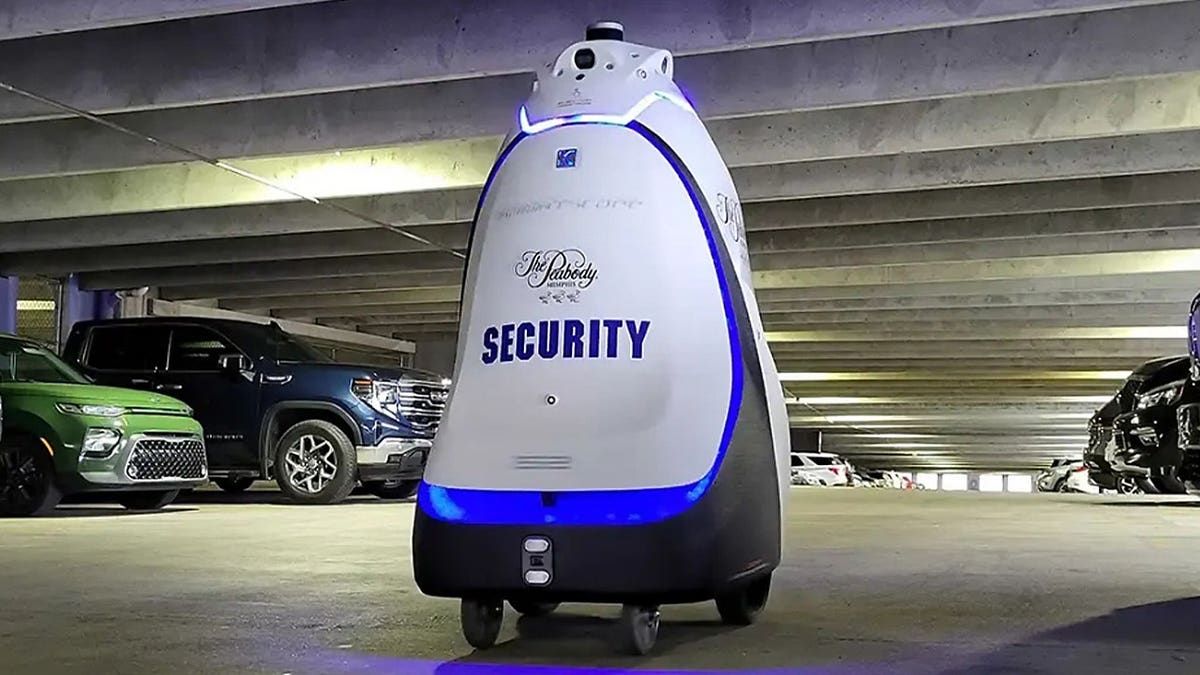
The Knightscope K5 security robot was designed to monitor public spaces and connect people with emergency dispatchers. (Knightscope)
Robot cops raise privacy questions
The other issue here is privacy. Dublin has a broader public safety technology program that includes drones, license plate readers, security cameras, body-worn cameras and facial recognition technology under a formal policy. Add a roaming robot with cameras and emergency communication, and residents may have fair questions.
What does the robot record? Who can access the footage? How long does the city keep it? Does the system use facial recognition? What happens when someone presses the emergency button? What data goes to the company?
Cities should answer those questions before a robot starts patrolling public spaces. The point isn’t to reject every new tool. The point is to make sure public safety tech comes with public accountability.
AI DASHCAMS ENHANCE TRUCKER SAFETY WHILE RAISING PRIVACY CONCERNS
What this means to you
If a robot starts patrolling your local garage, mall, park or transit hub, do not get distracted by the cool tech factor. The first question should be: What does it actually do when something goes wrong?
Can it connect you to a real person fast? Is someone watching the video when it matters? Can it help during an emergency, or does it mostly record what has already happened?
But let's be real here. If your tax dollars are paying for this kind of technology, your city should explain the goal before the robot rolls out. Otherwise, people may only learn whether it worked after the money has already been spent. New technology can sound impressive. However, results still count.
SCAMMERS CAN EXPLOIT YOUR DATA FROM JUST 1 CHATGPT SEARCH
Your phone holds your email, passwords, photos, banking apps and personal data. In this free CyberGuy Live replay, Kurt the CyberGuy walks you step by step through simple phone security fixes you can do at your own pace. You’ll learn how to improve your privacy settings, spot the latest phone scams, use trusted security tools and walk away with a simple checklist to stay protected. Watch the replay and get our checklist here:CyberGuyLive.com.
Kurt's key takeaways
A robot cop patrolled a parking garage, led to zero arrests and then got sent back. That should make taxpayers ask some hard questions. But let's be real here. If local leaders are paying for AI-powered public safety tools, they should explain what problem the tech solves, how success will be measured and what happens to the data it collects. Dublin deserves credit for ending the pilot when DubBot failed to deliver enough value. A robot can look like progress, but the real test is whether it makes people safer and gives taxpayers results they can actually see.
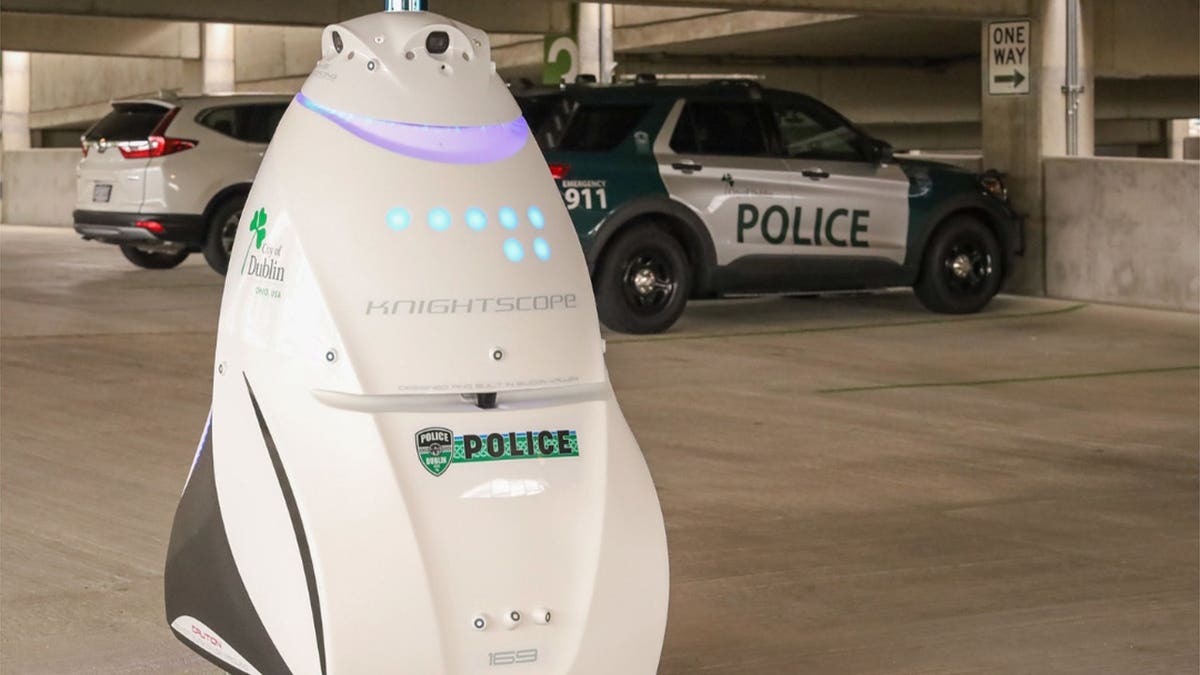
DubBot patrolled the Rock Cress Parking Garage in Dublin, Ohio, before the city ended the robot pilot program. (The City of Dublin)
Would you feel safer knowing a robot was watching your public space, or should your city have to prove the machine works before spending your tax dollars? Let us know by writing to us at CyberGuy.com.
Sign up for my FREE CyberGuy Report
CLICK HERE TO DOWNLOAD THE FOX NEWS APP
- Get my best tech tips, urgent security alerts and exclusive deals delivered straight to your inbox.
- For simple, real-world ways to spot scams early and stay protected, visit CyberGuy.com - trusted by millions who watch CyberGuy on TV daily.
- Plus, you'll get instant access to my Ultimate Scam Survival Guide free when you join.
Copyright 2026 CyberGuy.com. All rights reserved.
Kurt "CyberGuy" Knutsson is an award-winning tech journalist who has a deep love of technology, gear and gadgets that make life better with his contributions for Fox News & FOX Business beginning mornings on "FOX & Friends." Got a tech question? Get Kurt’s free CyberGuy Newsletter, share your voice, a story idea or comment at CyberGuy.com.