NEWYou can now listen to Fox News articles!
Conversation hearts — the tiny pastel candies stamped with messages like "Be Mine" and "XOXO" — have been quietly documenting and adapting to the ways Americans talk about love for more than a century.
The chalky sweets trace their roots to 19th-century Boston, where pharmacist Oliver Chase invented a machine in 1847 to press sugar lozenges, which led to the founding of the New England Confectionery Company (NECCO), according to National Geographic.
In 1866, his brother, Daniel Chase, developed a method for stamping words directly onto the candy — and by 1902, they were being cut into heart shapes, paving the way for them to become a Valentine's Day staple.
AMERICANS SPLIT OVER 'GRANDMA CANDIES' AS CARAMELS AND CIRCUS PEANUTS SPARK DEBATE
Over time, lengthy Victorian sentiments popular among couples and wedding parties such as "How long shall I have to wait?" and "Married in satin, love will not be lasting" — which were stamped on the larger wafers — gave way to short phrases like "Kiss Me" and "Marry Me" on tiny hearts.
While the messages have changed over time, experts say the purpose of candy hearts remains largely the same.
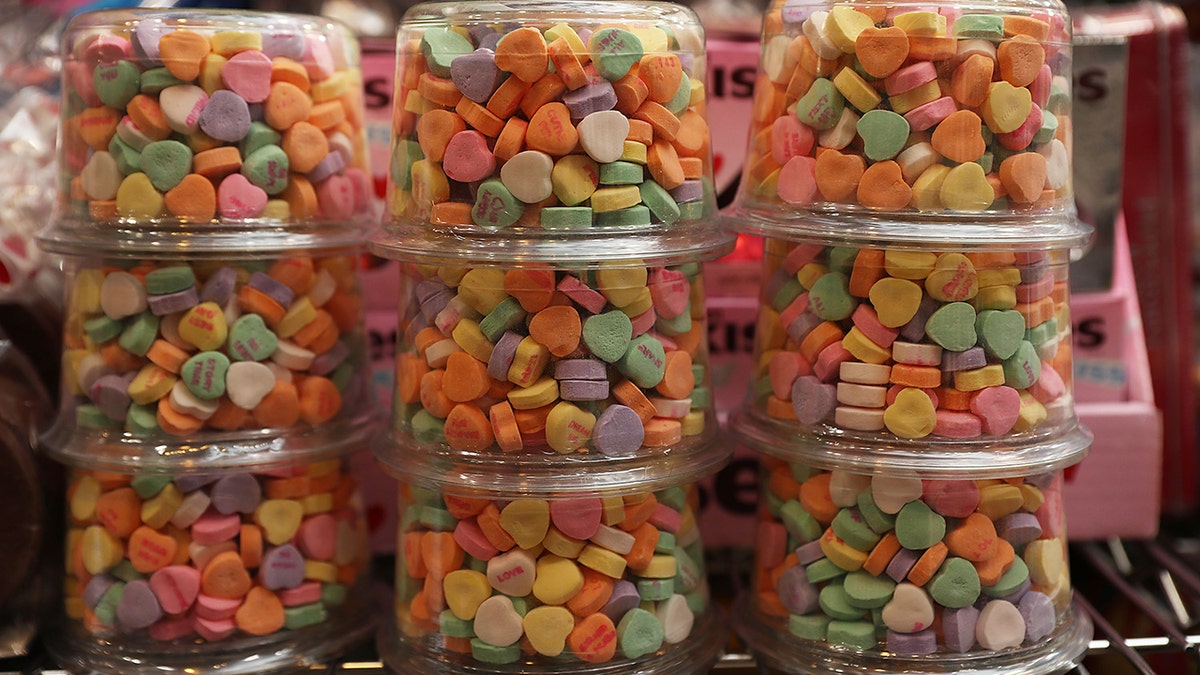
First introduced in the 1860s, conversation candy hearts have become a Valentine's Day staple. (Joe Raedle/Getty Images)
"Conversation hearts succeed because they're low-cost emotional currency," Nicole Arnett Sanders, Ph.D., a Florida-based consumer behaviorist and marketing professor, told Fox News Digital.
"They let you say something without actually having to say it yourself. The candy does the emotional labor."
The candy's phrases have reflected each era, from millennium-themed messages like "2000 Kisses" to phrases such as "Call Me," "Text Me" and "Tweet Me," according to Reader's Digest. Some messages, including "Fax Me" and "1-800-CUPID," are now relics of the past.
FROM RETRO TO REFINED: JELL-O SALAD AND SAVORY GELATIN DISHES MAKE UNEXPECTED RETURN
Sweethearts this year introduced "Love in This Economy" sayings such as "Splint Rent," "Share Log-In" and "Buy N Bulk," reflecting rising costs and budget-conscious dating trends.
Eighty percent of respondents said the economy is affecting their Valentine's Day plans, according to the company.
Nostalgia and comfort continue to fuel consumers' growing interest in the pastel Valentine's Day staple. (iStock)
"Sweethearts has always evolved with the times," Evan Brock, vice president of marketing for the Ohio-based Spangler Candy Co., said in a statement.
Brach's — America's top-selling conversation heart brand, which produces three million pounds of conversation hearts annually — debuted a "Sweet Bright" line featuring tangier flavors, dual-sided messages and emoji-inspired phrases, according to the company.
CLICK HERE TO SIGN UP FOR OUR LIFESTYLE NEWSLETTER
"The shift from 'Be Mine' to 'Text Me' to 'GOAT' tells us less about candy and more about how Americans have become increasingly uncomfortable with direct, earnest expressions of romance," Sanders said.
"We've replaced vulnerability with humor and internet shorthand — and conversation hearts track that evolution in real time."
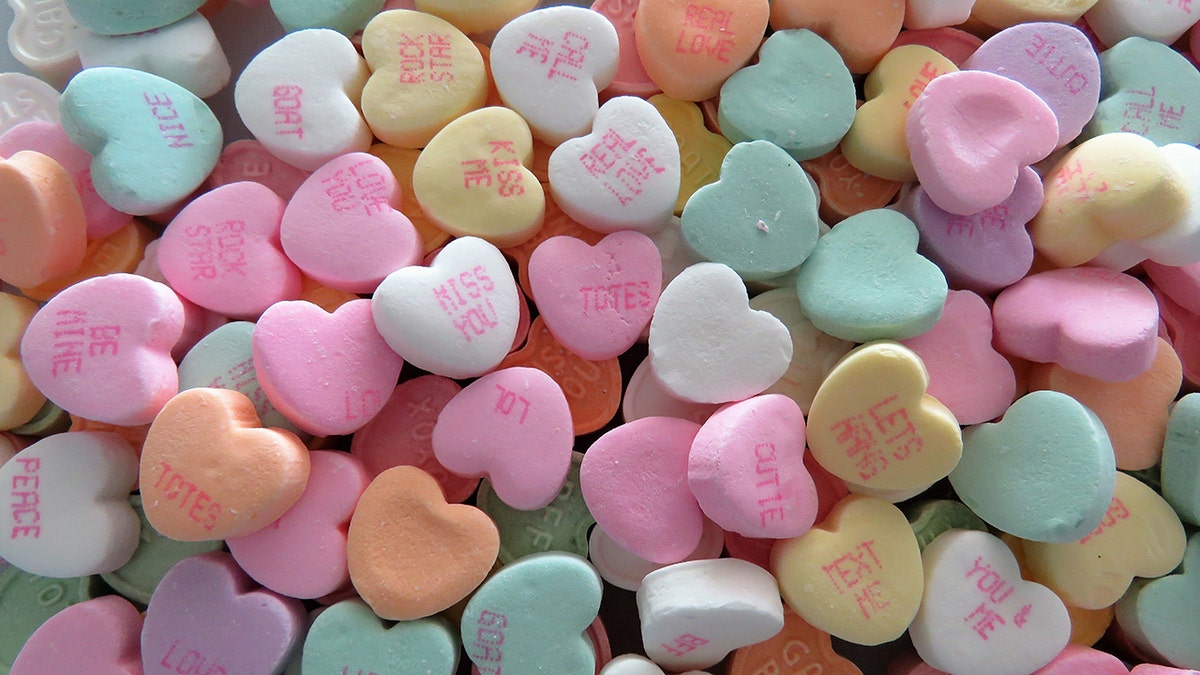
Conversation hearts have been sharing sweet sentiments from "Be Mine" to "Text Me" for more than a century. (iStock)
Interest in the candy also appears to be growing.
Conversation around candy hearts has increased more than 26% in the past two years — a notable rise for a product that has changed little in form, according to consumer insights platform Tastewise.
"They've evolved from a romantic token to a playful, social ritual," said Miriam Aniel, head of integrated marketing and senior consumer trends analyst at Tastewise, based in Tel Aviv. "Nostalgia thrives on ritual and comfort — and candy hearts hit both."
CLICK HERE FOR MORE LIFESTYLE STORIES
Nostalgic products compete not on innovation but on consistency, delivering what Aniel called "repeatable joy."
"When life feels noisy or uncertain, people naturally reach for small, comforting rituals that have stood the test of time," she told Fox News Digital.
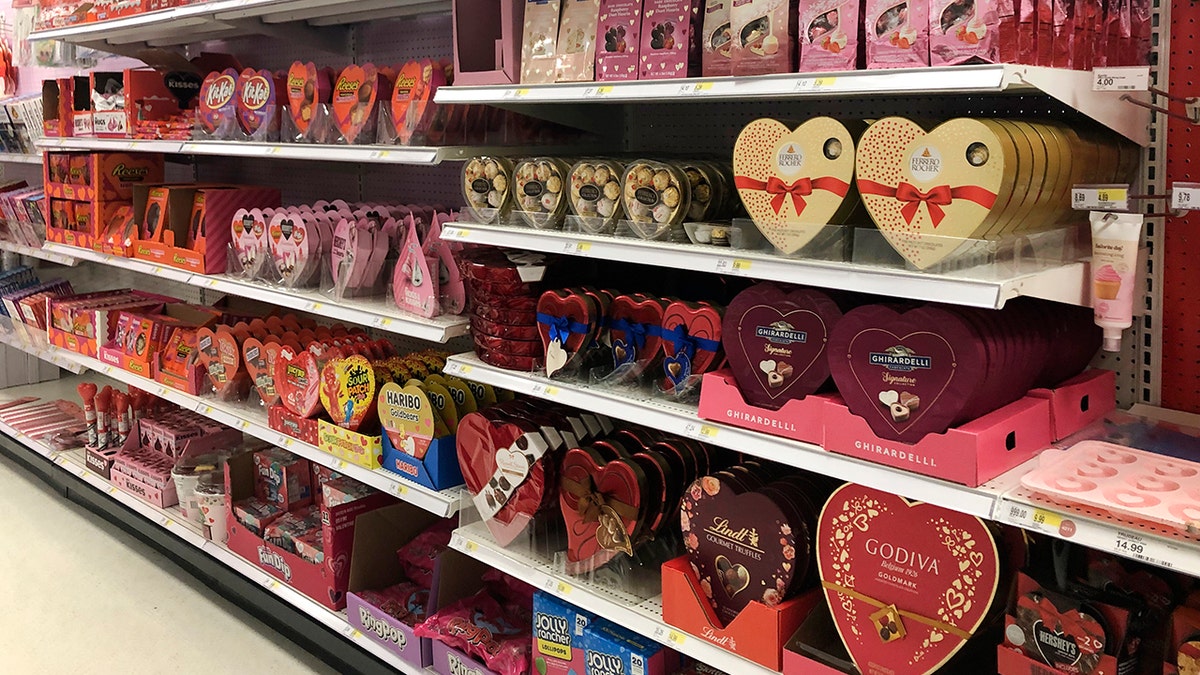
Conversation hearts have held their own alongside chocolate as a Valentine's Day staple for generations. (Lindsey Nicholson/UCG/Universal Images Group via Getty Images)
Sanders agreed that uncertainty fuels nostalgia purchases.
"Consumers reach for products that transport them to a time that felt safer and simpler. … For millennials and Gen X especially, retro candy isn't just sugar — it's a sensory time machine," she said. "The taste, the texture, even the packaging triggers a full emotional memory. That's not something a new product can manufacture."
TEST YOURSELF WITH OUR LATEST LIFESTYLE QUIZ
That emotional comfort is something consumers are often willing to prioritize even when they're trimming other expenses, Sanders added.
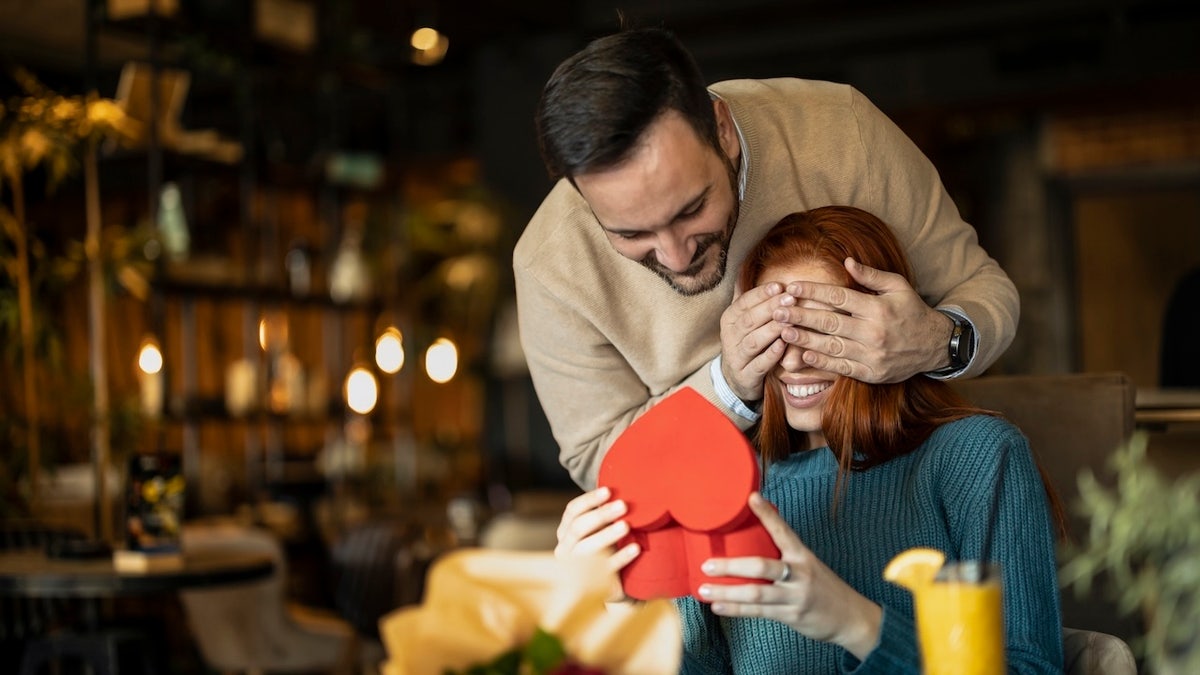
Candy hearts have tracked how Americans express love throughout generations. (iStock)
But nostalgia isn't a free pass.
CLICK HERE TO DOWNLOAD THE FOX NEWS APP
Push too hard, Sanders cautioned, and brands risk sliding into "gimmick territory" — especially with Valentine's Day's biggest buyers.
"Women, who drive most Valentine's Day candy purchases, can tell the difference between a brand that genuinely understands the cultural moment and one that's just chasing a trending hashtag," she warned.
Deirdre Bardolf is a lifestyle writer with Fox News Digital.