NEWYou can now listen to Fox News articles!
Health and Human Services Secretary Robert F. Kennedy Jr. announced a $100 million federal investment Monday aimed at reducing homelessness, combating opioid addiction and improving public safety through treatment-focused recovery programs.
The funding is part of President Donald Trump’s Great American Recovery Initiative — which coordinates federal action on addiction, serious mental illness and street homelessness — and follows an executive order signed last week targeting crime and disorder on U.S. streets.
The money will fund the new STREETS Initiative — Safety Through Recovery, Engagement, and Evidence-based Treatment and Supports — aimed at connecting people struggling with addiction and homelessness to treatment, housing and long-term recovery. The program will provide targeted outreach, psychiatric care, medical stabilization and crisis intervention.
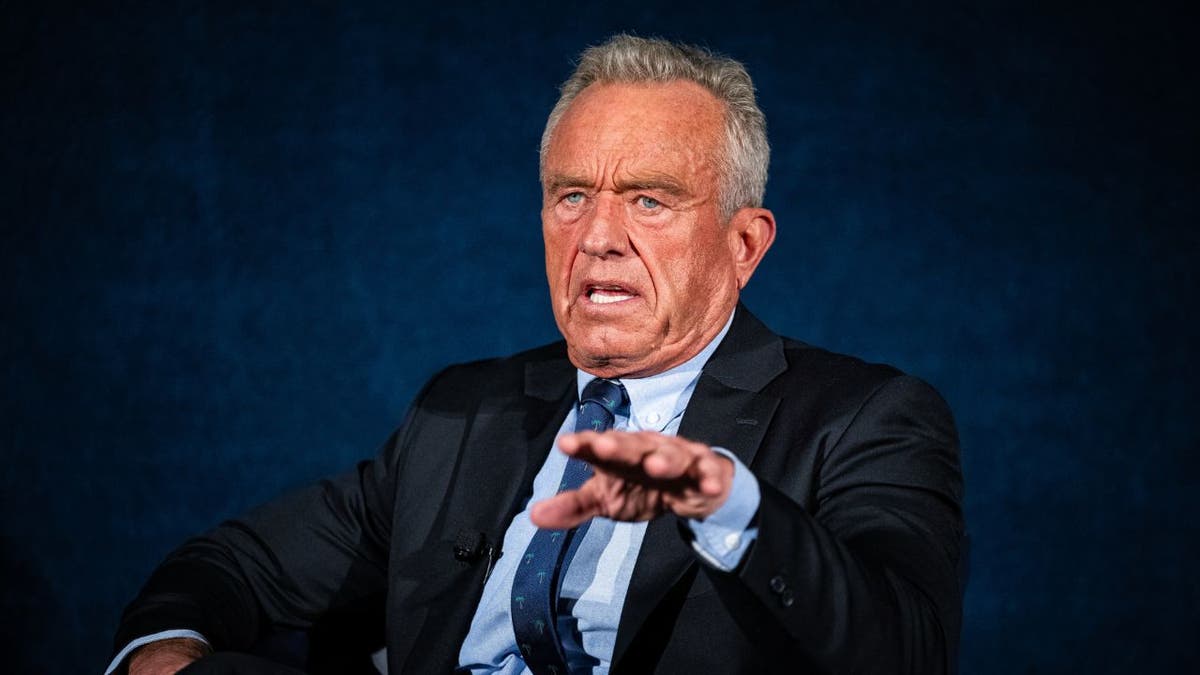
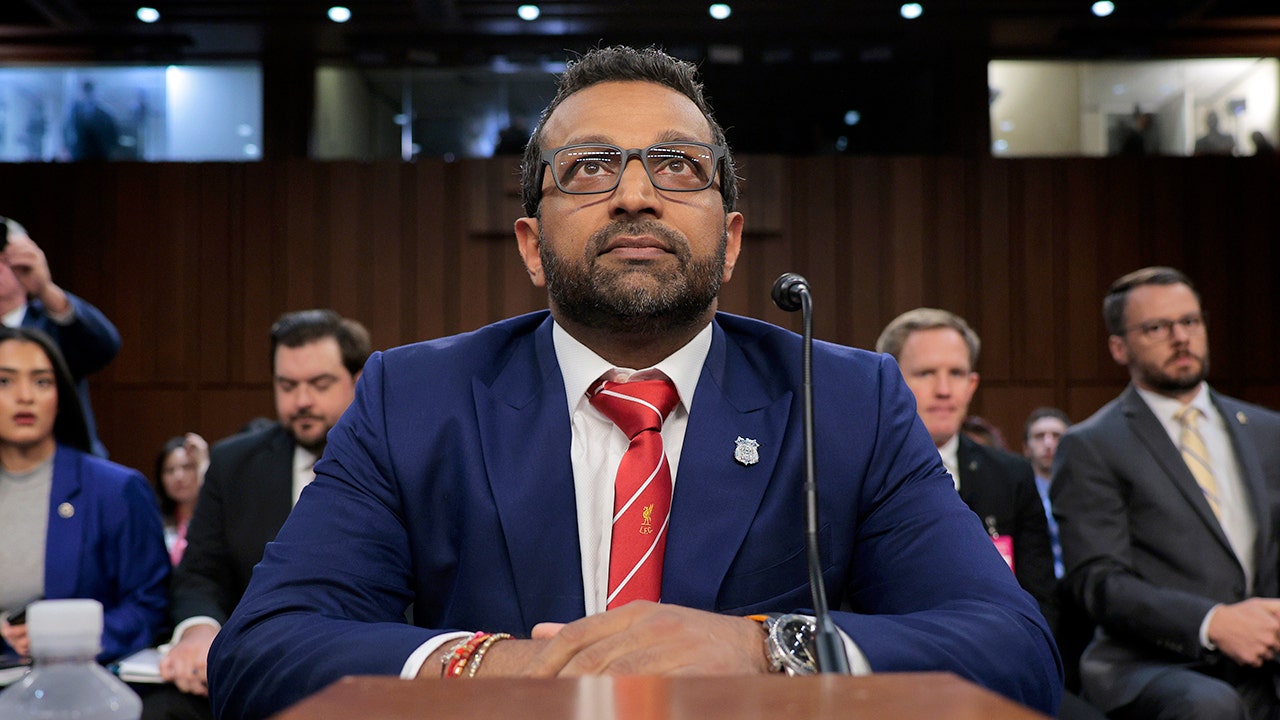
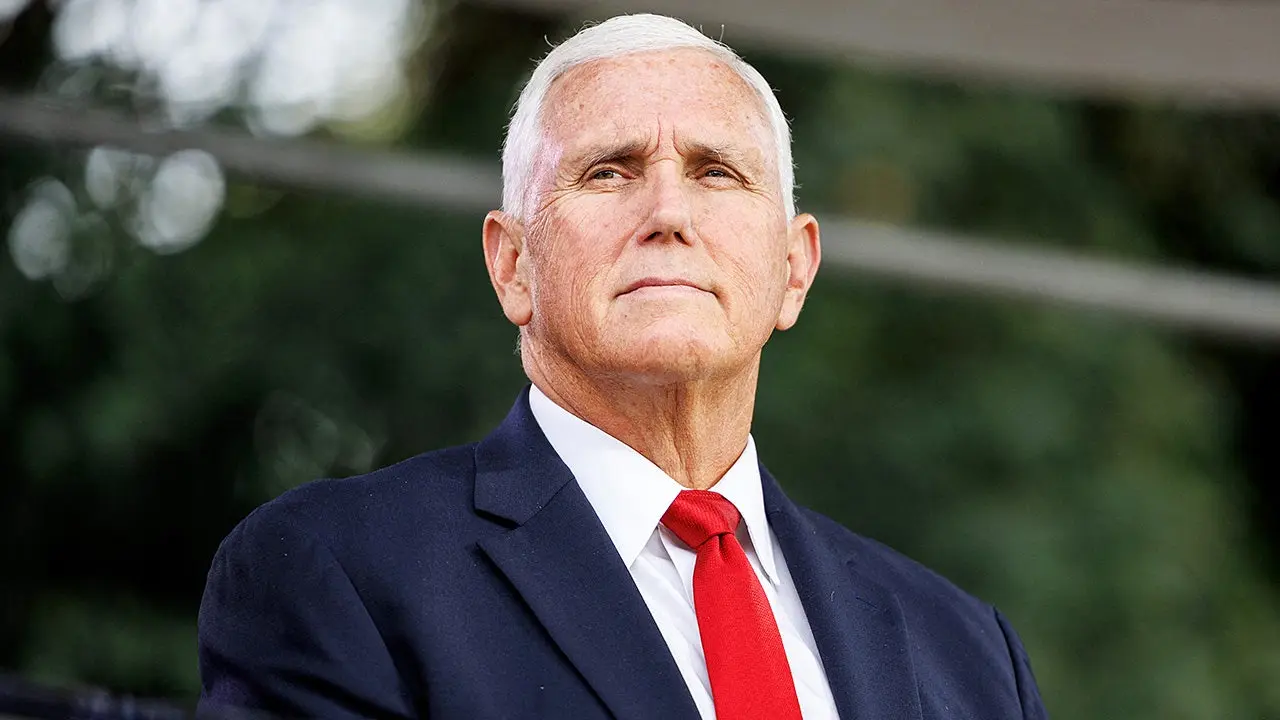
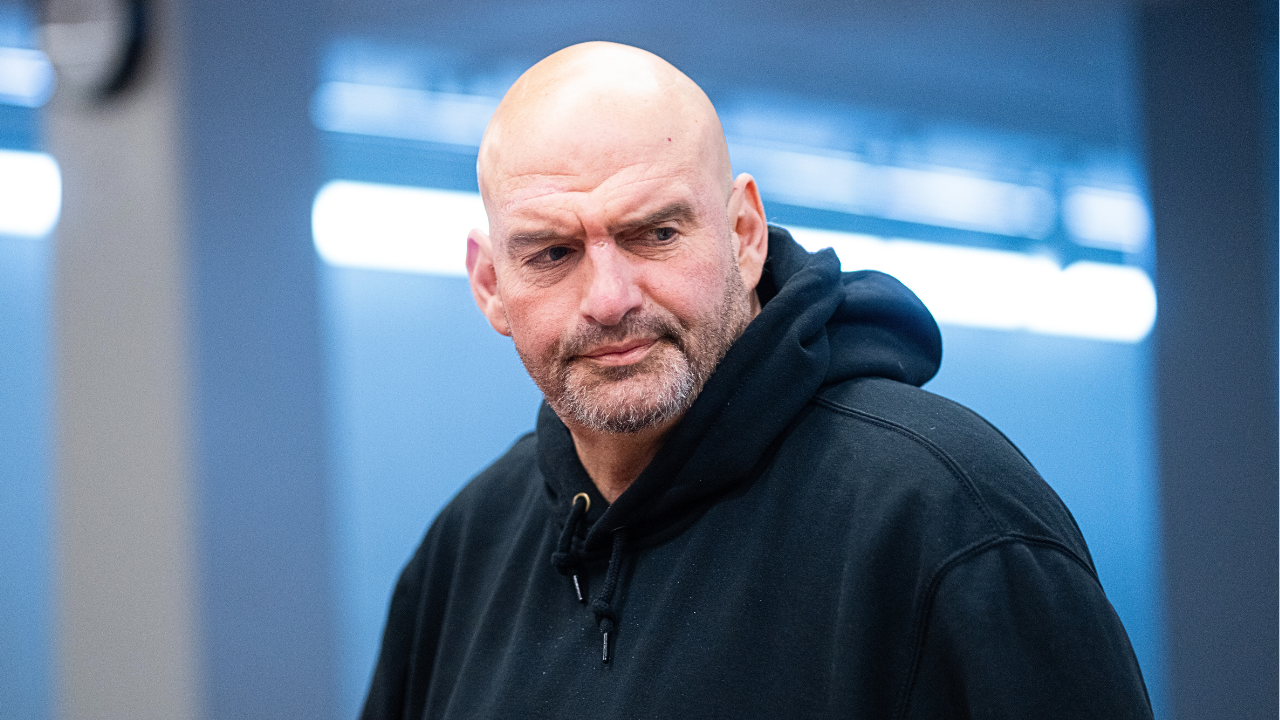
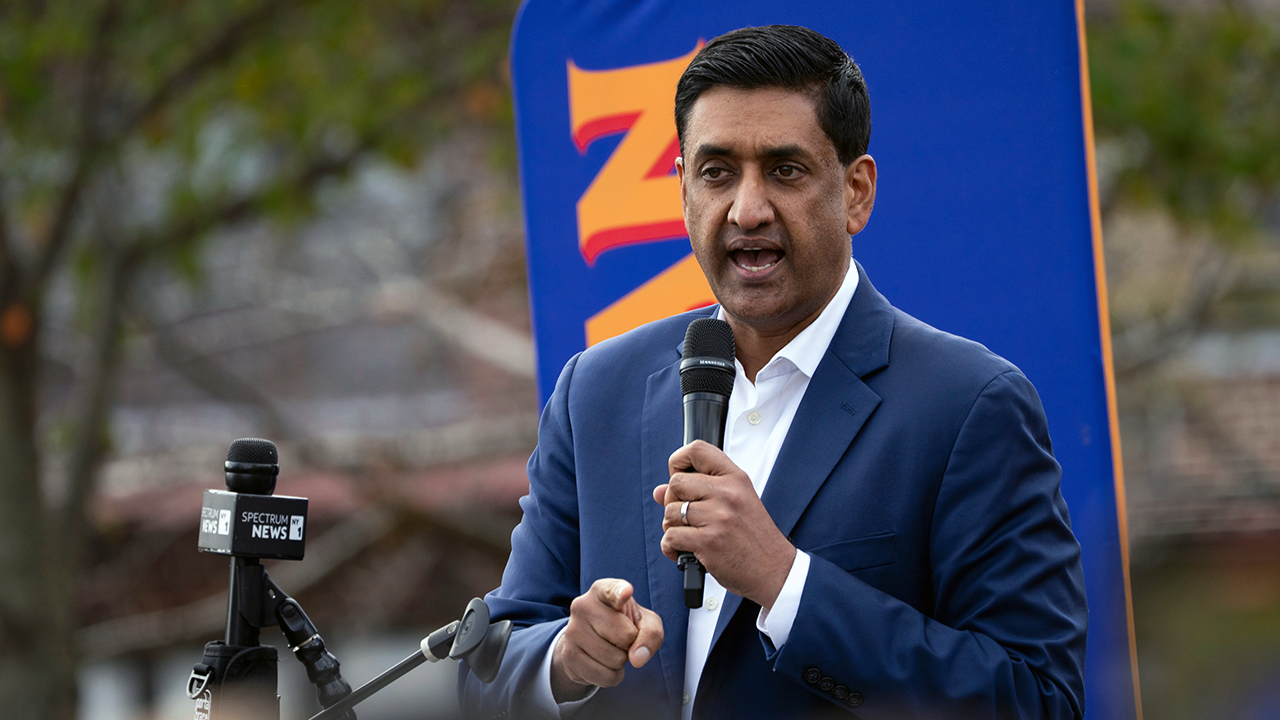
Health and Human Services Secretary Robert F. Kennedy Jr. speaks during an announcement addressing mental health and addiction initiatives in Washington, D.C., on Feb. 2, 2026. (Graeme Sloan/Bloomberg via Getty Images)
Kennedy said the initiative represents a shift away from previous federal approaches that failed to stem rising addiction, homelessness and crime.
"Addiction begins in isolation and ends in reconnection," Kennedy said in a statement. "Thanks to the leadership of President Trump, we are bringing Americans suffering from addiction out of the shadows and back into community."
In addition to the STREETS Initiative, Kennedy announced a $10 million Assisted Outpatient Treatment (AOT) grant program to support adults with serious mental illness. The court-ordered, community-based treatment program is designed for individuals who are unable to engage in traditional outpatient care and are unlikely to live safely in their communities without structured support.
According to HHS, assisted outpatient treatment has been shown to reduce hospitalizations, lower incarceration and homelessness rates, and improve public safety outcomes.
TRUMP ADMIN DEBUTS 'FENTANYL FREE AMERICA' PLAN AS DEA TOUTS IMPACT OF CARIBBEAN BOAT STRIKES
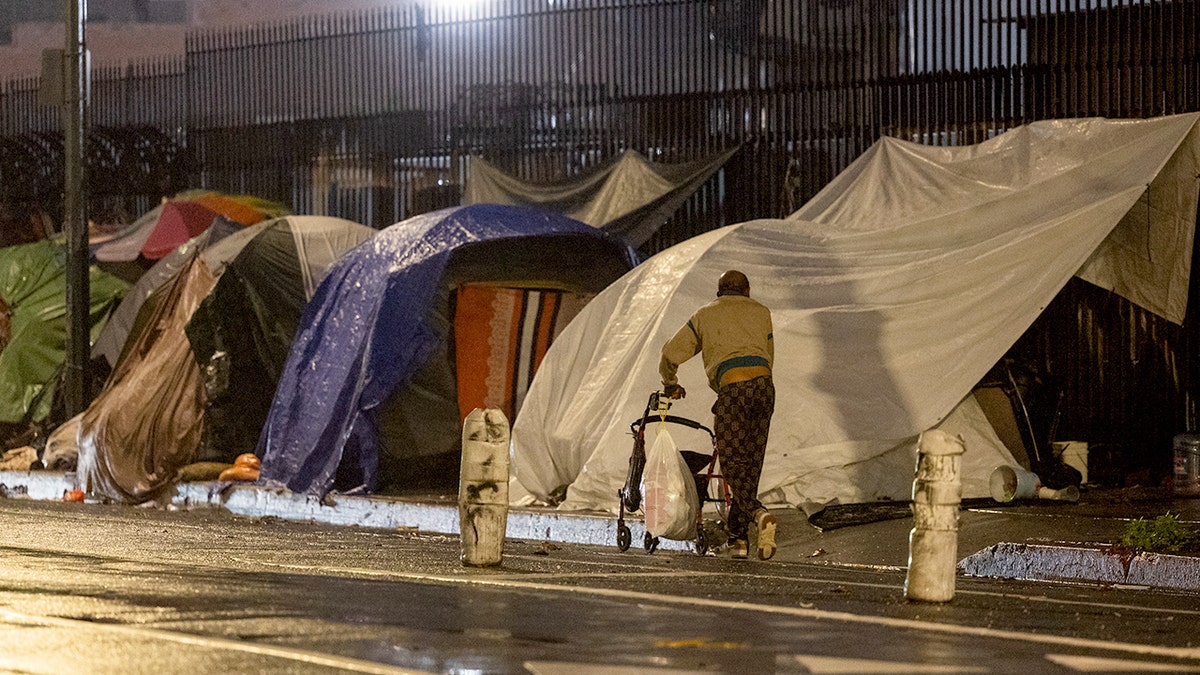
Tents of homeless people are seen on a sidewalk amid rainfall on Jan. 3, 2026, in Los Angeles, Calif. (Qian Weizhong/VCG via Getty Images)
Substance use disorder among Americans ages 12 and older rose from 7.4% in 2019 to 16.8% in 2024, according to Substance Abuse and Mental Health Services Administration (SAMHSA) survey data. Nearly eight in 10 people with a substance use disorder in 2024 did not receive treatment.
Kennedy also highlighted new federal funding flowing through SAMHSA as part of its first 2026 block grant allocation, totaling $794 million. Of that amount, $319 million will support comprehensive community mental health services for adults with serious mental illness and children with serious emotional disturbance, while $475 million will fund substance use prevention, treatment and recovery programs nationwide, according to the department.
Kennedy expanded on those themes during remarks at SAMHSA’s Prevention Day on Monday, a government-hosted national event focused on preventing substance use and addiction before a crisis hits.
DC'S HOMELESS RESPONSE RIFE WITH YEARS OF MISMANAGEMENT, WASTEFUL SPENDING AMID TRUMP CRACKDOWN
During his remarks, Kennedy spoke candidly about his own history with addiction and recovery.
"I myself spent 14 years, beginning in my early teens, as a heroin addict before I found my way into recovery," Kennedy said. "I have now 43 years in recovery."
He described recovery as central to his life, saying, "My recovery program provides the gravity around which the rest of my life circulates," and added, "I go [to meetings] every day because when I go, the rest of my life works."
Kennedy also highlighted the personal toll addiction has taken on his family.
"My little brother David, two of my nieces, and many other family members are among the casualties in the national epidemic of addiction and overdose," he said. "This is a crisis that affects every American family."
Turning to past federal strategies, Kennedy said earlier approaches failed to stop the crisis.
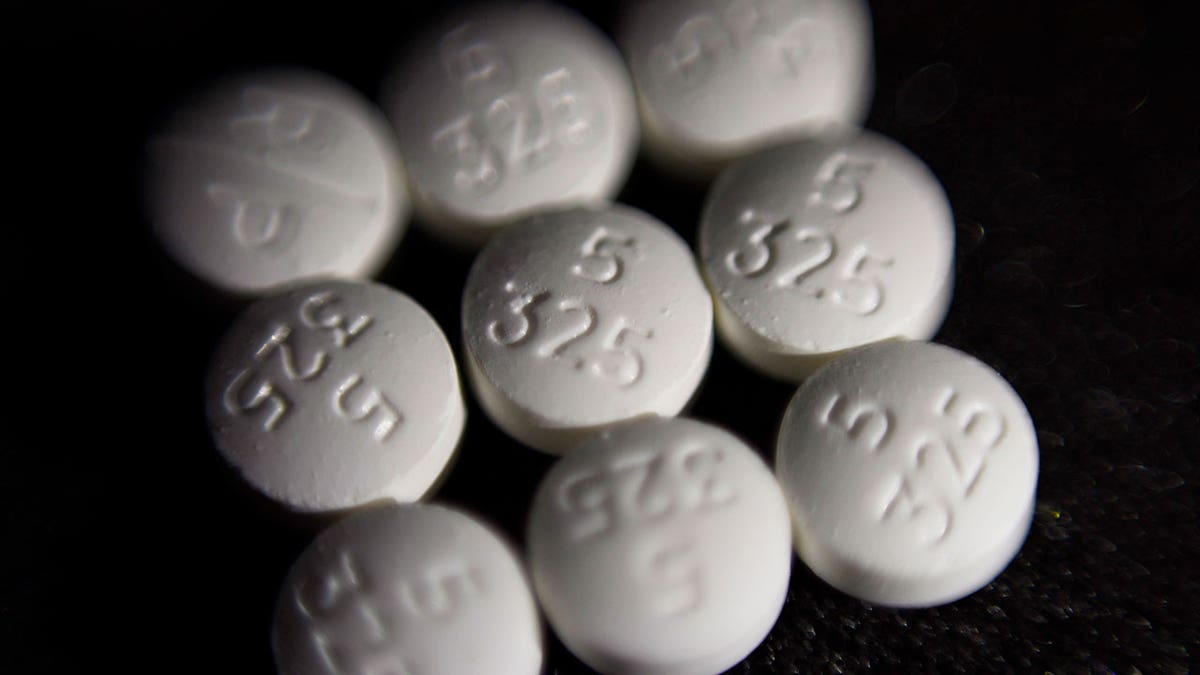
This Aug. 15, 2017, file photo shows an arrangement of pills of the opioid oxycodone-acetaminophen, also known as Percocet, in New York. (AP Photo/Patrick Sison, File)
"That approach has failed," he said. "We funded fragments instead of pathways. We waited for people to ask for help after they had already lost their health, their jobs, their families, their lives."
Kennedy said the administration is now prioritizing prevention and evidence-based policy.
CLICK HERE TO DOWNLOAD THE FOX NEWS APP
"We’re using evidence and not ideology," he said. "Stopping addiction before it starts is the most effective intervention."
Kennedy said the administration is also encouraging faith-based organizations to fully participate in federal recovery and treatment programs, emphasizing that such groups will be welcomed to compete for grants and funding opportunities if they meet evidence-based standards.
Michael Dorgan is a writer for Fox News Digital and Fox Business.
You can send tips to [email protected] and follow him on Twitter @M_Dorgan.